
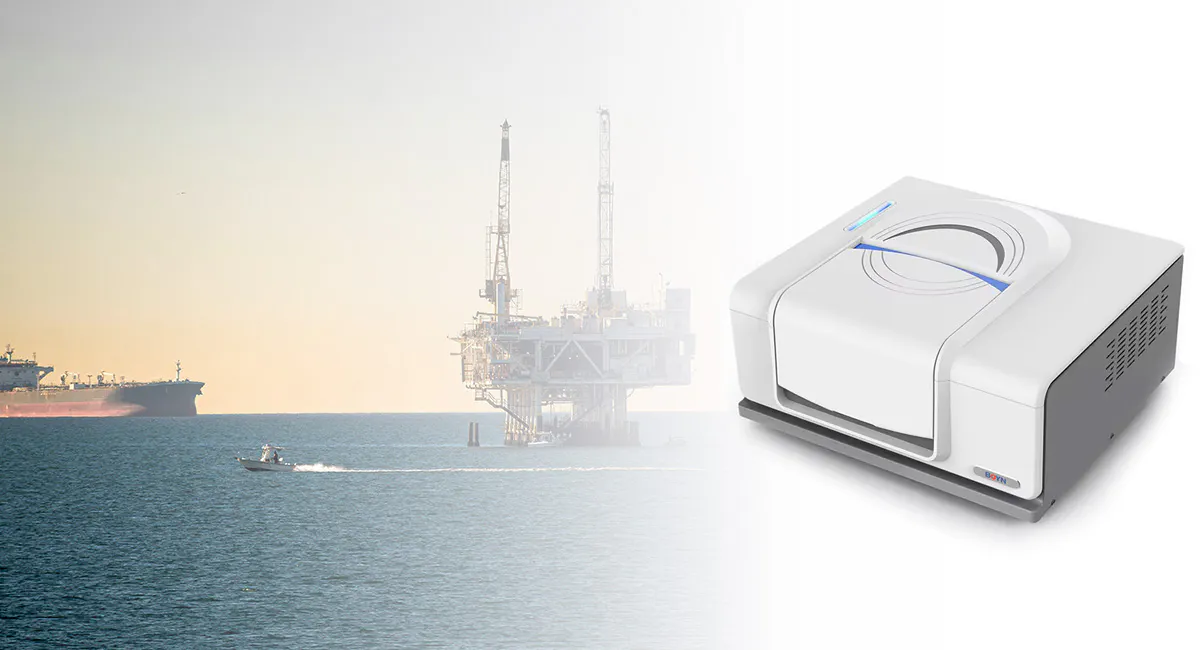
How to Select the Right Optical Gas Analyzer for Your Industry
Selecting the right gas analyzer is no longer just a technical decision—it directly impacts operational efficiency, compliance, and long-term cost. Many industrial buyers focus on specifications or price, but overlook how different technologies perform under real process conditions.
optical gas analysis solutions provide multiple technology paths and configurations, making selection more complex but also more powerful when done correctly. A structured evaluation approach is essential to ensure the chosen system delivers long-term value rather than short-term performance.
Step 1: Define Your Measurement Objectives
A clear definition of measurement goals is the foundation of selecting the right solution.
| Parameter | Key Questions to Ask |
|---|---|
| Target Gas | Which gases need to be measured (CO₂, NOx, SO₂, etc.)? |
| Measurement Range | ppm, ppb, or percentage levels? |
| Accuracy Requirement | How precise must the measurement be? |
| Response Time | Is real-time monitoring required? |
| Compliance Requirement | Are there regulatory standards to meet? |
Projects that clearly define these parameters at the beginning tend to achieve higher system reliability and lower implementation risk.
optical gas analysis solutions perform best when matched precisely to measurement objectives rather than selected as generic monitoring devices.
Step 2: Evaluate Process Environment Conditions
Environmental factors often determine whether a gas analyzer will perform reliably over time.
| Condition | Impact on System Selection |
|---|---|
| High Temperature (>80°C) | Requires TDLAS or high-temperature design |
| High Humidity (>90%) | Needs moisture-resistant optical system |
| Dust / Particulates | Requires purge systems or optical shielding |
| Corrosive Gases | Requires specialized materials and coatings |
| Explosion Risk Areas | Requires explosion-proof certification |
Ignoring environmental conditions often leads to premature failure, inaccurate readings, and increased maintenance costs.
optical gas analysis solutions designed for harsh environments provide long-term stability and reduce operational risk.
Step 3: Select the Appropriate Optical Technology
Different technologies serve different application needs, and selecting the wrong one can result in inefficiencies or unnecessary cost.
| Technology | Best Use Case | Strength | Limitation |
|---|---|---|---|
| NDIR | General gas monitoring | Cost-effective, flexible | Moderate stability |
| TDLAS | Harsh environments | High accuracy, low drift | Higher initial cost |
| UV | Reactive gases (NOx, SO₂) | Sensitive to specific gases | Limited gas range |
Technology selection should align with the process rather than follow a one-size-fits-all approach.
optical gas analysis solutions often combine multiple technologies to achieve comprehensive monitoring across different gas types.
Step 4: Consider System Integration Requirements
Modern industrial systems require seamless integration with automation and control platforms.
| Integration Feature | Operational Benefit |
|---|---|
| SCADA / PLC Compatibility | Enables centralized process control |
| Real-Time Data Output | Supports immediate decision-making |
| Remote Monitoring | Reduces on-site inspection |
| Predictive Maintenance | Minimizes unexpected downtime |
Integration capabilities play a key role in maximizing the value of the analyzer beyond basic measurement.
optical gas analysis solutions with advanced communication protocols support digital transformation and smart factory environments.
Step 5: Evaluate Total Cost of Ownership (TCO)
Focusing only on initial cost often leads to higher expenses over time.
| Cost Factor (5-Year) | Low-Cost Analyzer | Optical Gas Analysis Solutions |
|---|---|---|
| Initial Cost | Low | Medium |
| Calibration Cost | High | Low |
| Replacement Cost | High | Minimal |
| Maintenance Labor | High | Low |
| Downtime Cost | High | Low |
| Total Cost | 100% baseline | 60–70% of baseline |
Long-term operational savings often outweigh the higher upfront investment.
optical gas analysis solutions deliver lower total cost by reducing maintenance frequency, minimizing downtime, and extending equipment lifespan.
Step 6: Use a Practical Selection Scoring Model
When choosing the optimal optical analysis solution, a structured scoring model allows you to compare multiple products objectively, considering factors like accuracy, stability, cost, maintenance, and integration.
| Selection Criteria | Weight (%) | Solution A Score | Solution B Score | Solution C Score |
|---|---|---|---|---|
| Measurement Accuracy | 30 | 9 | 8 | 7 |
| Operational Stability | 25 | 8 | 7 | 9 |
| Maintenance Requirements | 15 | 7 | 9 | 6 |
| Integration & Compatibility | 20 | 8 | 8 | 7 |
| Cost Efficiency | 10 | 7 | 6 | 8 |
| Weighted Total | 100 | 8.15 | 7.6 | 7.4 |
This table shows how each solution performs based on weighted criteria, helping procurement teams and engineers quickly identify the most suitable option for their processes.
Solutions with higher total scores provide better overall performance for complex industrial applications, while the breakdown highlights trade-offs for cost, maintenance, and integration.
Step 7: Supplier Capability Matters More Than Expected
Selecting the right supplier is as important as selecting the right technology.
| Capability | Why It Matters |
|---|---|
| Customization | Ensures system fits specific process needs |
| Certifications | Required for compliance and safety |
| Production Capacity | Supports large-scale or urgent projects |
| Lead Time | Affects project timelines |
| Quality Control | Ensures long-term reliability |
| OEM / ODM Support | Enables flexible integration and branding |
Projects with strong supplier support experience fewer delays and better long-term performance.
optical gas analysis solutions provided by experienced partners ensure not only technical performance but also project success.
Common Selection Mistakes to Avoid
Choosing based only on initial price
Ignoring environmental conditions
Selecting incorrect measurement range
Overlooking integration requirements
Underestimating maintenance costs
Avoiding these mistakes significantly improves project outcomes and reduces long-term risk.
Conclusion
Selecting the right gas analyzer requires a structured approach that considers measurement goals, environmental conditions, technology fit, integration requirements, and total cost of ownership.
optical gas analysis solutions provide a flexible and reliable foundation for modern industrial gas monitoring, enabling accurate measurement, reduced maintenance, and long-term operational efficiency.
Instrava is a partner focused on providing equipment, solutions, and services for industrial measurement and control instruments used in safety-critical and process control applications. We offer customized optical gas analysis solutions with strong OEM/ODM support, reliable quality control, and efficient production capacity—helping customers achieve optimal performance across global industrial applications.