
Daftar Isi
- Portable vs Fixed Gas Detection Systems: How to Choose the Right Safety Solution
- Understanding Portable Gas Detection Systems
- Key Characteristics of Portable Gas Detection
- Understanding Fixed Gas Detection Systems
- Key Characteristics of Fixed Gas Detection
- Portable vs Fixed Gas Detection: Core Differences
- When Portable Gas Detection Is the Right Choice
- When Fixed Gas Detection Is the Right Choice
- Using Portable and Fixed Systems Together
- Industry Applications
- Oil & Gas and LNG/LPG Facilities
- Pabrik Pengolahan Kimia
- Pengolahan Air dan Air Limbah
- Safety Standards and Planning Considerations
- Training and Operational Discipline
- Kesimpulan
Portable vs Fixed Gas Detection Systems: How to Choose the Right Safety Solution
Gas detection systems play a critical role in protecting personnel, facilities, and processes from hazardous atmospheres. One of the most common safety planning questions in industrial environments is whether deteksi gas portabel atau sistem deteksi gas tetap are more appropriate. This article provides a clear, safety-focused comparison of portable vs fixed gas detection systems, explaining how each approach works, where it is best applied, and how they are often used together as part of a comprehensive gas detection strategy.Understanding Portable Gas Detection Systems
Portable gas detectors are personal or handheld devices designed to move with workers. They continuously monitor the breathing zone and provide immediate alarms when unsafe gas conditions are detected.Key Characteristics of Portable Gas Detection
- Worn or carried by personnel
- Ideal for dynamic or changing work locations
- Used for pre-entry testing and continuous personal monitoring
- Commonly deployed in confined spaces and maintenance activities
Understanding Fixed Gas Detection Systems
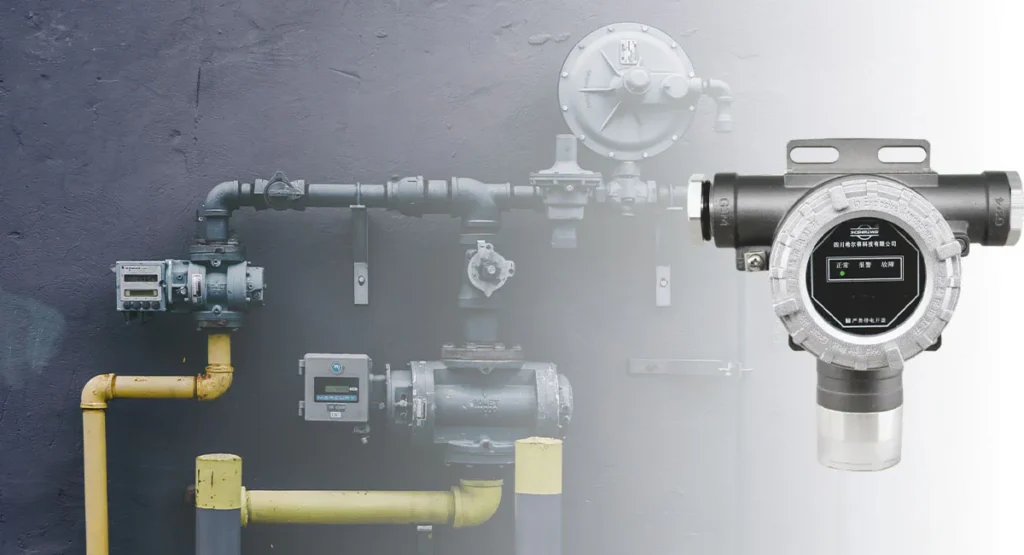
Fixed gas detection systems consist of permanently installed sensors placed at strategic locations within a facility. These systems continuously monitor areas where gas releases are most likely to occur.Key Characteristics of Fixed Gas Detection
- Installed at known risk points
- Integrated with alarms, ventilation, or shutdown systems
- Provide continuous area-wide monitoring
- Often connected to control systems or safety instrumentation
Portable vs Fixed Gas Detection: Core Differences
| Aspek | Deteksi Gas Portabel | Deteksi Gas Tetap |
|---|---|---|
| Mobilitas | Moves with personnel | Permanently installed |
| Cakupan | Personal breathing zone | Defined facility areas |
| Typical use | Confined space, maintenance | Pemantauan area berkelanjutan |
| Respons alarm | Individual alerts | Area-wide alarms and system actions |
When Portable Gas Detection Is the Right Choice
Portable gas detection is particularly effective when:- Workers move between locations
- Hazards are temporary or task-specific
- Pre-entry atmospheric testing is required
- Confined space entry is performed
When Fixed Gas Detection Is the Right Choice
Fixed gas detection systems are most effective when:- Gas release points are known
- Pemantauan berkelanjutan diperlukan
- Early warning is needed before personnel exposure
- Integration with safety systems is required
Using Portable and Fixed Systems Together
In many industrial facilities, portable and fixed gas detection systems are not alternatives but complementary layers of protection. A combined approach allows:- Early detection at the source
- Pemantauan area berkelanjutan
- Personal exposure protection
- Redundant safety coverage
Industry Applications
Oil & Gas and LNG/LPG Facilities
- Fixed gas detectors monitor processing units and storage areas
- Portable gas detectors protect personnel during inspections and maintenance
Pabrik Pengolahan Kimia
- Fixed systems detect leaks from reactors and pipelines
- Portable detectors support task-based work and confined spaces
Pengolahan Air dan Air Limbah
- Fixed detectors monitor hydrogen sulfide-prone areas
- Portable detectors protect workers entering pits and chambers
Safety Standards and Planning Considerations
Gas detection system selection should align with:- Site-specific risk assessments
- Prosedur masuk ke ruang terbatas
- Emergency response plans
- Process safety management requirements
Training and Operational Discipline
Regardless of system type, effectiveness depends on:- Proper training
- Understanding alarm meanings
- Clear response procedures
- Routine testing and maintenance