
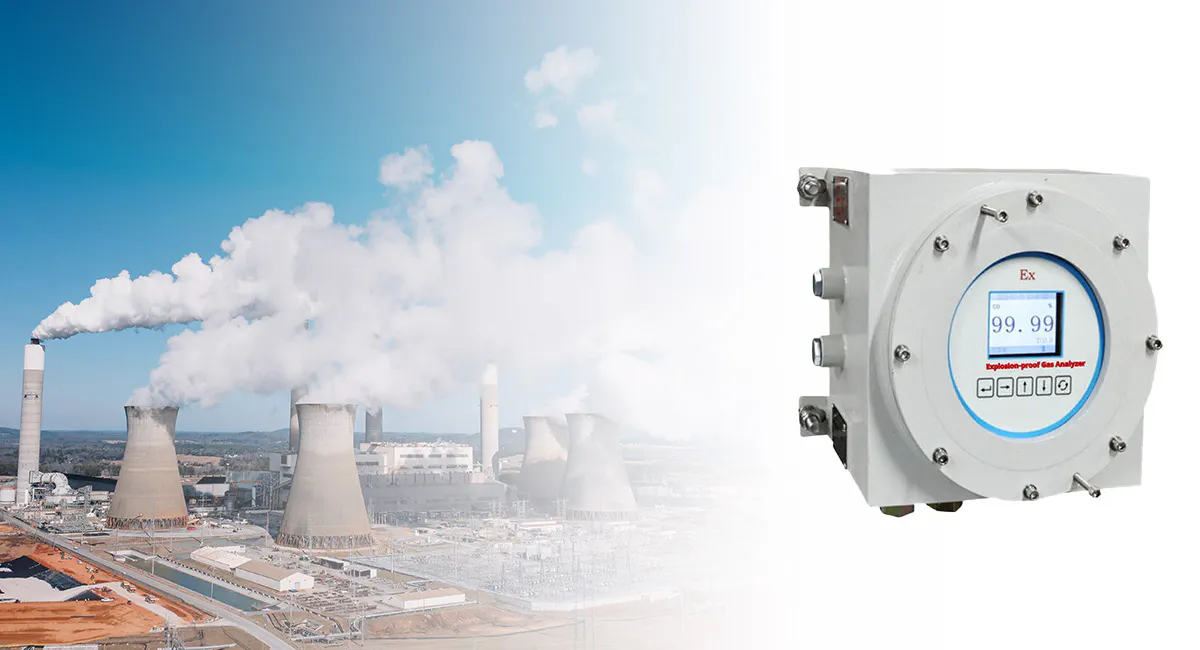
Optical Gas Analysis Solutions in Oil & Gas: From Upstream to Refining
The oil and gas industry operates in some of the most demanding environments, where safety, reliability, and precision are non-negotiable. From upstream extraction sites to downstream refining facilities, gas monitoring plays a critical role in ensuring operational safety, environmental compliance, and process optimization.
optical gas analysis solutions have become a preferred choice across the oil and gas value chain due to their ability to deliver accurate, real-time measurements with minimal maintenance, even in explosive and corrosive environments.
Why Oil & Gas Requires Advanced Gas Analysis
Gas measurement in oil and gas applications is fundamentally different from other industries due to higher risk levels and more complex process conditions.
| Challenge | Operational Impact |
|---|---|
| Explosive atmospheres | Strict requirement for ATEX / IECEx systems |
| Corrosive gases (H₂S, SO₂) | Sensor degradation and failure |
| Remote locations | Limited maintenance access |
| High pressure and temperature | Measurement instability |
| Continuous operation | Zero tolerance for downtime |
These conditions demand robust and highly reliable measurement systems that can operate continuously without frequent intervention.
optical gas analysis solutions are designed to meet these challenges through non-contact measurement, high durability, and advanced system design.
Gas Monitoring Across the Oil & Gas Value Chain
Each stage of oil and gas production requires different gas measurement strategies.
Upstream (Exploration & Production)
| Measurement Point | Key Gases | Purpose |
|---|---|---|
| Wellhead | CH₄, H₂S | Safety monitoring |
| Separation units | Hydrocarbons | Process optimization |
| Flare systems | CH₄, CO | Emission control |
Reliable monitoring in upstream environments reduces safety risks and ensures stable production.
Midstream (Transportation & Storage)
| Measurement Point | Key Gases | Purpose |
|---|---|---|
| Pipelines | CH₄, CO₂ | Leak detection |
| Storage tanks | VOCs | Emission monitoring |
| Compressor stations | O₂, CO | Equipment safety |
Accurate gas analysis helps prevent leaks and ensures safe transportation of hydrocarbons.
Downstream (Refining & Processing)
| Measurement Point | Key Gases | Purpose |
|---|---|---|
| Refinery units | H₂, CO, CO₂ | Process optimization |
| Sulfur recovery units | SO₂, H₂S | Emission control |
| Flue gas systems | NOx, CO | Regulatory compliance |
Downstream operations benefit from precise measurement that improves efficiency and reduces emissions.
Technology Selection for Oil & Gas Environments
Choosing the right technology is essential due to harsh conditions and safety requirements.
| Technology | Application Area | Key Advantage |
|---|---|---|
| TDLAS | High-risk / harsh zones | High stability, low drift |
| NDIR | General monitoring | Cost-effective and versatile |
| UV | Sulfur compounds | High sensitivity to reactive gases |
Selecting the right technology ensures reliable performance across different operating environments.
optical gas analysis solutions often combine these technologies into integrated systems tailored for oil and gas applications.
Performance in Extreme Conditions
Oil and gas environments require systems that can withstand extreme operational conditions.
| Condition | Typical Range | System Requirement |
|---|---|---|
| Temperature | -40°C to 500°C | Wide operating range |
| Pressure | Up to 200 bar | High-pressure design |
| Corrosive Gas Exposure | High (H₂S, SO₂) | Corrosion-resistant materials |
| Hazardous Area | Zone 0 / Zone 1 | Explosion-proof certification |
Durability and reliability in these conditions are critical for long-term operation.
optical gas analysis solutions use advanced materials such as stainless steel, Hastelloy, and coated optics to ensure performance in harsh environments.
Safety and Compliance Requirements
Safety is the top priority in oil and gas operations, and gas analyzers must meet strict certification standards.
| Certification Type | Application Importance |
|---|---|
| ATEX | Required in Europe for explosive areas |
| IECEx | Global certification for hazardous zones |
| SIL | Functional safety compliance |
| ISO Standards | Quality and manufacturing assurance |
Compliance with these standards ensures safe operation and regulatory approval across global markets.
optical gas analysis solutions designed for oil and gas applications meet these certification requirements, enabling safe deployment in hazardous environments.
Operational Efficiency and Cost Benefits
Reliable gas monitoring contributes directly to operational efficiency and cost reduction.
| Performance Factor | Without Optimization | With Optical Gas Analysis |
|---|---|---|
| Leak Detection Speed | Slow | Real-time |
| Maintenance Frequency | High | Reduced by 30–50% |
| Downtime Risk | High | Significantly reduced |
| Process Efficiency | Moderate | Improved by 5–10% |
Improved monitoring enables faster response to process changes and reduces operational risks.
optical gas analysis solutions provide continuous, accurate data that supports efficient and safe operation across the oil and gas value chain.
Customization and OEM Capabilities
Oil and gas projects often require tailored solutions rather than standard products.
| Customization Aspect | Benefit |
|---|---|
| System Design | Adapted to specific process requirements |
| Material Selection | Suitable for corrosive environments |
| Enclosure Design | Explosion-proof and weather-resistant |
| Integration | Compatible with existing control systems |
| Branding (OEM / ODM) | Supports partner-specific requirements |
Customized solutions ensure optimal performance and seamless integration into complex systems.
optical gas analysis solutions provided with OEM/ODM support allow partners to deliver differentiated products and solutions in competitive markets.
Production Capacity and Lead Time
Project timelines in oil and gas are often tight, requiring reliable manufacturing support.
| Factor | Requirement |
|---|---|
| Production Capacity | Ability to handle large-scale orders |
| Lead Time | 2–6 weeks depending on customization |
| Quality Control | Strict testing before delivery |
| Global Delivery | Support for international logistics |
Reliable supply chain and manufacturing capabilities ensure timely project execution.
optical gas analysis solutions from experienced manufacturers provide consistent quality and dependable delivery schedules.
Conclusion
Oil and gas operations demand highly reliable, accurate, and durable gas monitoring systems to ensure safety, compliance, and efficiency. Selecting the right technology and supplier is critical for long-term success.
optical gas analysis solutions offer a comprehensive approach to gas monitoring across upstream, midstream, and downstream applications, delivering stable performance even in the most challenging environments.
Instrava is a partner focused on providing equipment, solutions, and services for industrial measurement and control instruments used in safety-critical and process control applications. We deliver customized optical gas analysis solutions for oil and gas industries worldwide, supported by strong OEM/ODM capabilities, certified products, advanced materials, reliable production capacity, and strict quality control—ensuring long-term performance and trusted partnerships.