
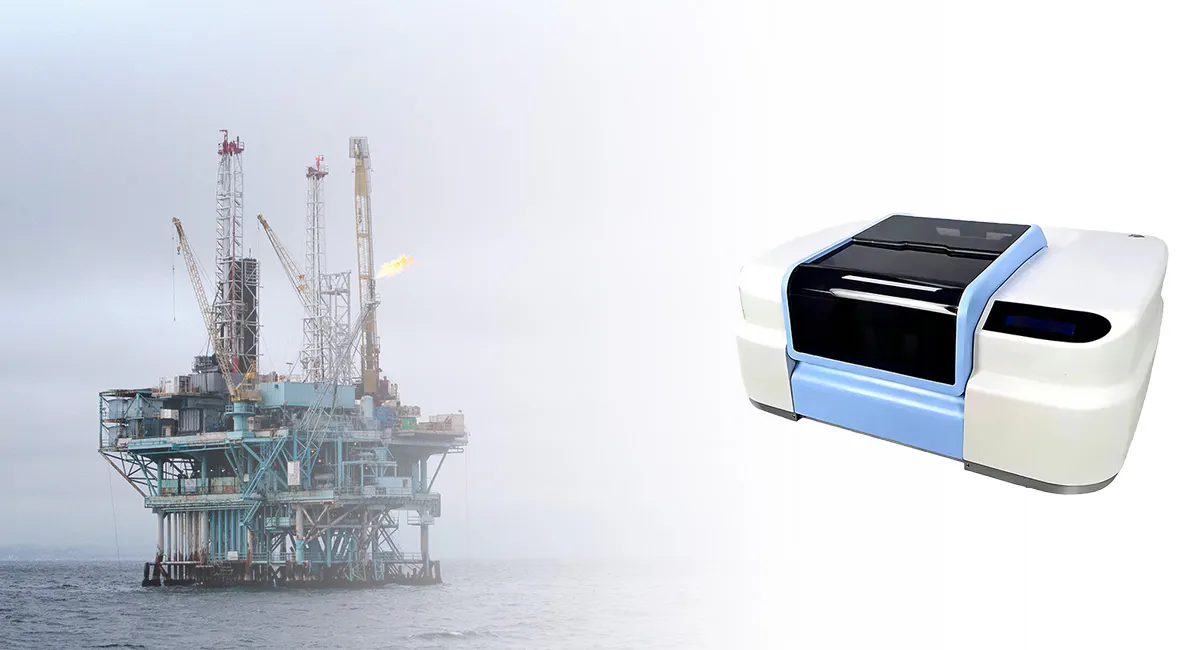
ความท้าทายทั่วไปในการวัดก๊าซในกระบวนการอุตสาหกรรม (และวิธีที่โซลูชันทางแสงช่วยแก้ไข)
Accurate gas measurement is critical for safety, compliance, and process optimization across industries such as power generation, oil & gas, chemical processing, and manufacturing. However, many facilities still rely on traditional sensing technologies that struggle to maintain stability under real operating conditions.
optical gas analysis solutions are increasingly adopted because they directly address the most common challenges associated with industrial gas monitoring, delivering reliable and continuous measurement where conventional sensors fail.
Challenge 1: Sensor Drift and Frequent Calibration
Gas sensors are expected to deliver consistent readings over long operating periods, yet drift remains one of the most persistent issues in industrial environments.
| ประเภทเซ็นเซอร์ | Drift Rate (per month) | ความถี่ในการสอบเทียบ | Impact on Operations |
|---|---|---|---|
| อิเล็กโทรเคมี | 2–5% | รายเดือน | High maintenance workload |
| Catalytic | 1–3% | รายเดือน | Reduced measurement reliability |
| โซลูชันการวิเคราะห์ก๊าซด้วยแสง | <0.5% | 6–12 เดือน | ประสิทธิภาพที่มั่นคงในระยะยาว |
Frequent recalibration not only increases maintenance cost but also introduces downtime and operational risk.
โซลูชันการวิเคราะห์ก๊าซด้วยแสง significantly reduce drift because they rely on optical absorption rather than chemical reactions, allowing measurements to remain stable over extended periods without frequent intervention.
Challenge 2: Cross Sensitivity and Measurement Interference
Industrial environments often contain multiple gases, making it difficult for traditional sensors to distinguish between them accurately.
| เทคโนโลยี | Cross Sensitivity Level | ความถูกต้องของการวัด | Suitability in Mixed Gas Environments |
|---|---|---|---|
| อิเล็กโทรเคมี | สูง | ±5–10% | จำกัด |
| Catalytic | ระดับกลาง | ±4–8% | ปานกลาง |
| โซลูชันการวิเคราะห์ก๊าซด้วยแสง | ต่ำมาก | ±1–2% | ยอดเยี่ยม |
Cross sensitivity leads to incorrect readings, which can compromise process control and safety systems.
optical gas analysis solutions detect gases based on their unique spectral signatures, enabling precise identification even in complex gas mixtures.
Challenge 3: Harsh Environmental Conditions
Gas monitoring systems are often exposed to extreme conditions such as high humidity, temperature fluctuations, dust, and corrosive gases.
| Operating Condition | Traditional Sensors Accuracy | Optical Systems Accuracy | ความเสถียร |
|---|---|---|---|
| ความชื้นสูง (>90%) | ±5–10% | ±1–2% | สูง |
| High Temperature (>60°C) | ±5–8% | ±1–2% | สูง |
| Corrosive Environments | ±6–12% | ±2–3% | สูงมาก |
Measurement accuracy tends to degrade rapidly in harsh conditions when using conventional sensors.
optical gas analysis solutions maintain stable performance because they use non-contact measurement methods, reducing exposure to chemical degradation and environmental interference.
Challenge 4: High Maintenance and Downtime
Maintenance requirements can significantly impact operational efficiency, especially in continuous processes.
| ปัจจัย | Traditional Sensors | โซลูชันการวิเคราะห์ก๊าซด้วยแสง |
|---|---|---|
| ความถี่ในการบำรุงรักษา | รายเดือน | 6–12 เดือน |
| Replacement Rate | สูง | ต่ำ |
| Downtime Impact | Significant | น้อยที่สุด |
| Labor Cost | สูง | ลดลง |
Frequent maintenance interrupts production and increases operational costs over time.
optical gas analysis solutions minimize maintenance requirements, allowing facilities to maintain continuous operation with fewer interruptions and lower labor costs.
Challenge 5: Slow Response Time
In many industrial applications, delayed gas detection can lead to safety risks or inefficient process control.
| ประเภทเซ็นเซอร์ | เวลาตอบสนอง | ผลกระทบ |
|---|---|---|
| อิเล็กโทรเคมี | 10–60 seconds | Delayed corrective action |
| Catalytic | 5–30 seconds | ประสิทธิภาพของกระบวนการลดลง |
| โซลูชันการวิเคราะห์ก๊าซด้วยแสง | 0.5–5 seconds | Real-time monitoring and control |
Faster response times enable operators to react immediately to changes in gas concentration.
optical gas analysis solutions provide near-instant detection, improving safety and enabling tighter process control in critical applications.
Challenge 6: Compliance and Regulatory Pressure
Industries are under increasing pressure to meet environmental and safety regulations, particularly in emissions monitoring and hazardous gas detection.
| ข้อกำหนด | Traditional Sensors | โซลูชันการวิเคราะห์ก๊าซด้วยแสง |
|---|---|---|
| Emission Monitoring Accuracy | ระดับกลาง | สูง |
| Continuous Monitoring | จำกัด | Fully Supported |
| Data Traceability | พื้นฐาน | ขั้นสูง |
| Compliance Reliability | ปานกลาง | สูง |
Failure to meet compliance standards can result in penalties, shutdowns, or reputational damage.
optical gas analysis solutions support continuous emissions monitoring systems (CEMS) and provide accurate, traceable data required for regulatory compliance.
Challenge 7: Total Cost of Ownership
Initial sensor cost is often misleading when evaluating long-term performance.
| Cost Component (5-Year) | Traditional Sensors | โซลูชันการวิเคราะห์ก๊าซด้วยแสง |
|---|---|---|
| ค่าใช้จ่ายเริ่มต้น | ต่ำ | ระดับกลาง |
| Calibration Cost | สูง | ต่ำ |
| Replacement Cost | สูง | น้อยที่สุด |
| Maintenance Labor | สูง | ต่ำ |
| Total Cost | 100% baseline | 60–70% of baseline |
Lower upfront cost often results in higher long-term expenses due to maintenance, replacement, and downtime.
optical gas analysis solutions reduce total cost of ownership by delivering long-term stability and minimizing operational disruptions.
How Optical Gas Analysis Solutions Enable Smarter Operations
Modern industrial facilities require more than just measurement—they require actionable data and system integration.
| ความสามารถ | ประโยชน์ |
|---|---|
| การตรวจสอบแบบเรียลไทม์ | Immediate response to gas fluctuations |
| การเข้าถึงจากระยะไกล | Reduced manual inspection |
| การบำรุงรักษาเชิงคาดการณ์ | Prevents unexpected failures |
| System integration (SCADA) | Improved automation and control |
These capabilities enable facilities to transition from reactive maintenance to proactive and predictive operations.
สรุป
Industrial gas measurement challenges—such as drift, cross sensitivity, environmental interference, and high maintenance—continue to impact efficiency and safety across multiple sectors.
optical gas analysis solutions provide a reliable alternative by delivering stable, accurate, and low-maintenance performance under real operating conditions.
By adopting optical technologies, companies can improve process control, reduce operational costs, and ensure compliance with increasingly strict regulations.
Instrava is a partner focused on providing equipment, solutions, and services for industrial measurement and control instruments used in safety-critical and process control applications. We are committed to delivering reliable and long-lasting optical gas analysis solutions based on trust, communication, and collaboration—helping customers improve processes and increase efficiency worldwide.