
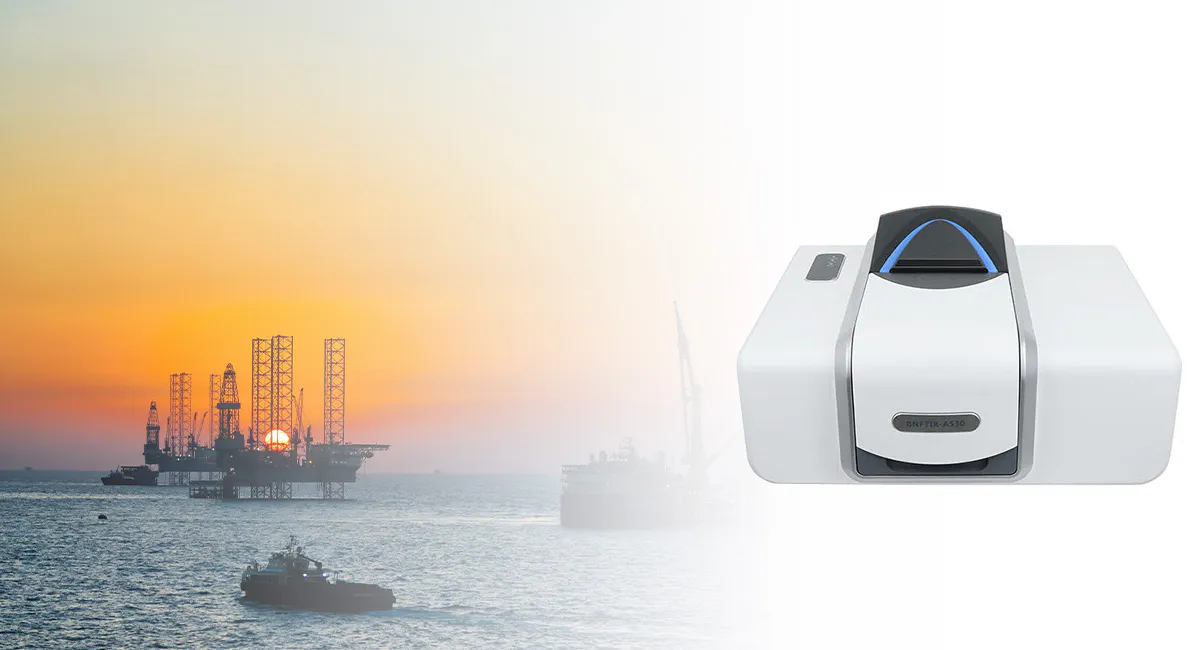
What Are Optical Gas Analysis Solutions and Why They Are Replacing Traditional Sensors
Industrial gas measurement is entering a new phase of precision, stability, and long-term reliability. As industries move toward automation, compliance, and efficiency, traditional gas sensing technologies such as electrochemical and catalytic sensors are increasingly unable to meet modern process demands.
optical gas analysis solutions have emerged as a preferred alternative, offering high accuracy, low drift, and minimal maintenance in complex industrial environments. From power plants to chemical processing and oil & gas operations, optical-based gas analyzers are rapidly becoming the standard for continuous gas monitoring.
What Are Optical Gas Analysis Solutions
optical gas analysis solutions refer to systems that use light absorption, emission, or scattering principles to measure gas concentration. Unlike traditional sensors that rely on chemical reactions or physical contact, optical methods detect gas molecules based on their unique spectral signatures.
Common technologies include:
TDLAS (Tunable Diode Laser Absorption Spectroscopy)
UV gas analyzer
Laser-based gas detection systems
These technologies allow precise detection of gases such as CO₂, CO, CH₄, NOx, SO₂, and O₂ across a wide range of industrial processes.
Why Traditional Gas Sensors Are Losing Ground
Industrial operators are increasingly facing challenges with conventional gas sensing technologies.
| Limitation | Electrochemical Sensors | Catalytic Sensors | Impact on Operations |
|---|---|---|---|
| Sensor Drift | High | Medium | Frequent recalibration required |
| Lifespan | 6–24 months | 12–36 months | High replacement cost |
| Cross Sensitivity | High | Medium | Measurement inaccuracies |
| Environmental Resistance | Low | Medium | Poor performance in harsh conditions |
| Maintenance Frequency | Monthly | Monthly | Increased downtime |
These limitations directly affect measurement reliability, operational efficiency, and compliance performance.
Traditional sensors often require frequent calibration and replacement, leading to higher long-term costs and increased process interruptions, especially in harsh industrial environments.
Why Optical Gas Analysis Solutions Are Gaining Adoption
optical gas analysis solutions offer a fundamentally different approach that addresses the limitations of traditional technologies.
| Feature | Traditional Sensors | Optical Gas Analysis Solutions | Operational Advantage |
|---|---|---|---|
| Measurement Stability | Medium | High | Reduced drift and recalibration |
| Response Time | Seconds–Minutes | 0.5–5 seconds | Faster process control |
| Maintenance Frequency | Monthly | 6–12 months | Lower operational cost |
| Lifespan | Short | 5–10 years | Long-term reliability |
| Cross Sensitivity | High | Very Low | Higher measurement accuracy |
Optical systems significantly improve measurement consistency while reducing the need for frequent maintenance and recalibration.
Because optical sensors do not rely on chemical reactions, they maintain stability over time and are less affected by environmental changes such as humidity, temperature, and corrosive gases.
Performance Comparison in Real Industrial Conditions
The advantages of optical gas analysis solutions become more evident when evaluated under real operating conditions.
| Condition | Traditional Sensors Accuracy | Optical Systems Accuracy | Stability Over Time |
|---|---|---|---|
| High Humidity (≥90%) | ±5–10% | ±1–2% | High |
| High Temperature (>60°C) | ±5–8% | ±1–2% | High |
| Corrosive Gas Environment | ±6–12% | ±2–3% | Very High |
| Continuous Operation | Degrades over time | Stable | Long-term stable |
Optical systems maintain consistent accuracy even in harsh environments where traditional sensors tend to degrade rapidly.
This stability is critical for industries such as oil & gas and chemical processing, where measurement errors can lead to safety risks or production losses.
Key Industrial Applications
Power Plants
optical gas analysis solutions are widely used in emission monitoring systems (CEMS) to measure CO₂, NOx, and SO₂.
Ensures regulatory compliance
Improves combustion efficiency
Reduces environmental impact
Oil & Gas
In upstream and downstream operations, gas composition must be monitored under extreme conditions.
Handles high pressure and temperature
Resistant to corrosive gases
Suitable for explosion-proof environments
Chemical Processing
Accurate gas analysis is essential for reaction control and safety.
Detects trace gases in real time
Improves yield consistency
Reduces process risk
Industrial Manufacturing
Factories rely on gas monitoring to optimize production and reduce waste.
Enables continuous monitoring
Supports automation systems
Improves operational efficiency
Total Cost of Ownership Comparison
Short-term cost advantages of traditional sensors often disappear when considering long-term operation.
| Cost Factor (5-Year) | Traditional Sensors | Optical Gas Analysis Solutions |
|---|---|---|
| Initial Equipment Cost | Low | Medium |
| Calibration Cost | High | Low |
| Replacement Cost | High | Minimal |
| Maintenance Labor | High | Low |
| Downtime Cost | High | Low |
| Total Cost (5 Years) | 100% baseline | 60–70% of baseline |
Optical systems reduce total cost of ownership by minimizing maintenance, replacement, and downtime expenses.
For industrial operators, this translates into higher efficiency, lower risk, and better long-term return on investment.
Integration with Modern Industrial Systems
optical gas analysis solutions are designed to integrate seamlessly with modern automation systems such as SCADA, PLC, and cloud-based platforms.
| Integration Capability | Benefit |
|---|---|
| Real-time data transmission | Immediate process adjustments |
| Remote monitoring | Reduced manual inspection |
| Predictive maintenance | Lower unexpected downtime |
| Data analytics | Improved decision-making |
Integration enhances operational visibility and allows companies to move toward predictive and automated process control.
Why Industrial Buyers Are Switching
The shift toward optical gas analysis solutions is driven by a combination of performance, cost, and compliance requirements.
Key decision factors include:
Long-term stability and reduced drift
Lower maintenance and operational cost
Higher accuracy in harsh environments
Compatibility with automated systems
Compliance with environmental regulations
These factors make optical solutions a strategic investment rather than just a measurement upgrade.
Conclusion
optical gas analysis solutions are transforming industrial gas monitoring by delivering higher accuracy, improved reliability, and lower total cost of ownership.
As industries continue to demand real-time data, automation, and compliance, optical technologies are replacing traditional sensors across power generation, oil & gas, chemical processing, and manufacturing sectors.
Instrava is a partner focused on providing equipment, solutions, and services for industrial measurement and control instruments used in safety-critical and process control applications. We are committed to delivering reliable and long-lasting optical gas analysis solutions based on trust, communication, and collaboration—helping customers improve efficiency and optimize processes globally.