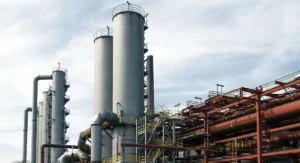
Introduction Choosing the right level transmitter is a critical step in industrial process design and operation. Even when measuring the same liquid, different installation environments, process conditions, and accuracy requirements can lead to completely different technology choices. An incorrect selection may result in unstable signals, frequent maintenance, or even safety risks. From a manufacturer’s perspective,…
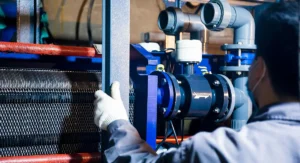
Introduction Selecting the right level transmitter is crucial for accurate and reliable measurement in industrial processes. Different applications require different measurement principles, installation methods, and output signals. Understanding the main types of level transmitters helps engineers make informed decisions and ensures process efficiency, safety, and long-term reliability. This article provides an overview of the most…
Introduction A level transmitter is a key instrument in industrial automation systems, providing continuous level measurement for process control, safety monitoring, and inventory management. Unlike simple level indicators, level transmitters convert level signals into standardized outputs that can be directly integrated with control systems such as PLCs, DCS, or SCADA. Understanding how a level transmitter…
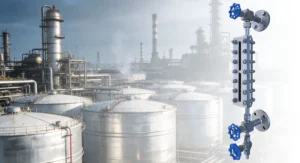
Introduction In industrial process control, accurate level measurement plays a critical role in ensuring operational safety, process efficiency, and product quality. Whether monitoring liquid levels in storage tanks, reactors, or water treatment systems, selecting the right level gauge directly impacts system reliability and maintenance costs. However, different industrial environments present challenges such as high temperature,…