Differential Pressure Transmitters | Selection Guide & Industrial Applications Differential pressure (DP) transmitters are essential instruments in modern industrial processes, providing precise measurement of pressure differences across systems. They play a critical role in applications such as flow measurement, level monitoring in pressurized tanks, and process control in oil & gas, chemical, and water treatment…
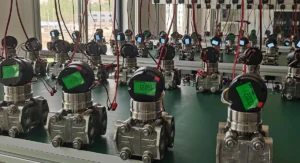
Pressure Transmitter vs Pressure Sensor | Key Differences & Industrial Applications In modern industrial processes, accurate pressure measurement is essential for safe and efficient operation. Two commonly discussed instruments are pressure transmitters and pressure sensors. While they are often mentioned together, they serve different purposes in industrial systems. Understanding the distinction between these two devices…
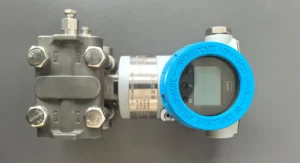
Pressure Transmitter Guide | Types, Selection & Industrial Applications A pressure transmitter is a critical instrument used in industrial process measurement and control. It converts pressure signals from liquids or gases into standardized electrical outputs that can be transmitted to control systems for monitoring, automation, and safety purposes. Pressure transmitters are widely applied in oil…

Propane Tank Level Gauge Solution | Industrial Level Indicator A level gauge designed for propane storage plays a critical role in ensuring safe operation, accurate inventory control, and long-term system reliability. In pressurized propane tanks, level indication is not a secondary accessory but a core safety and operational component. A properly engineered propane tank gauge…
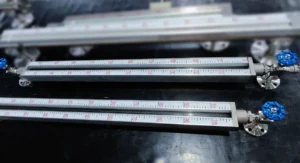
Introduction A water level sensor is a fundamental instrument used to measure and monitor liquid levels in industrial systems. In sectors such as oil and gas, chemical processing, water and wastewater treatment, and LNG/LPG storage, accurate level measurement is essential for safe operation, process efficiency, and regulatory compliance. Unlike basic consumer-level devices, an industrial water…
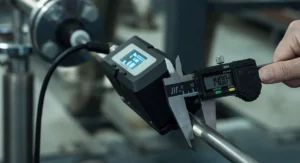
Introduction Magnetic level gauges and radar level gauges are two of the most reliable technologies for industrial liquid level measurement. Both have unique advantages, but they are designed for different process conditions and measurement requirements. From a manufacturer’s perspective, selecting the right level gauge involves evaluating process parameters, installation constraints, and long-term reliability. This article…
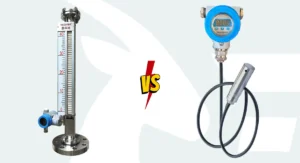
Introduction Magnetic level gauges and hydrostatic level gauges are two widely used instruments for industrial liquid level monitoring. Both technologies are mature and reliable, but they serve different purposes and are suitable for different process conditions. From an OEM manufacturer’s perspective, understanding the differences between a magnetic level gauge and a hydrostatic level gauge is…
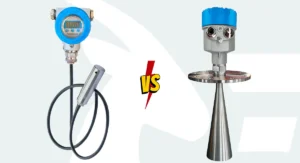
Introduction Hydrostatic level gauges and radar level gauges are widely used instruments in industrial level measurement systems. Although both devices are designed to monitor liquid levels in tanks and vessels, they rely on completely different measurement principles. From an engineering and manufacturer’s perspective, choosing between a hydrostatic level gauge and a radar level gauge requires…
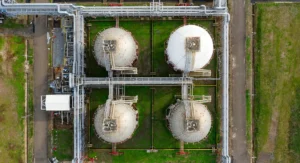
Introduction Radar level gauges and ultrasonic level gauges are two of the most commonly used non-contact level measurement technologies in industrial applications. Both methods measure the distance between the sensor and the material surface without direct contact with the medium, making them suitable for a wide range of liquids and bulk materials. However, despite their…

Introduction In industrial applications, level transmitters are widely used as continuous level gauges to provide real-time level measurement for process control and safety systems. Although modern level transmitters are highly reliable, improper selection, installation, or operating conditions can still cause measurement problems. Unstable signals, inaccurate readings, or frequent failures are often not caused by product…