
Gas Detector Alarm Response and Emergency Handling: What to Do When Hazardous Gas Is Detected Gas detectors are designed to provide early warning of hazardous atmospheric conditions, but their effectiveness depends entirely on how people respond when an alarm is triggered. In industrial environments such as oil & gas facilities, LNG/LPG storage terminals, chemical plants,…

Confined Space Gas Detection Safety | Portable Detectors and Oxygen Monitoring Confined spaces are among the most hazardous work environments in industrial facilities. Limited ventilation, restricted access, and the potential accumulation of toxic or oxygen-displacing gases make confined space gas detection a critical component of industrial safety programs. Across oil & gas facilities, LNG/LPG storage…

Single Gas vs Multi-Gas Detection | Industrial Safety Comparison Guide Gas detection plays a fundamental role in industrial safety across oil & gas facilities, LNG/LPG storage terminals, chemical processing plants, and wastewater operations. One of the most common safety questions in these environments is whether single gas detection or multi-gas detection is the more appropriate…
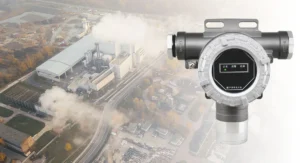
Industrial Gas Detection Safety Guide | Portable & Fixed Gas Monitoring Systems Industrial gas detection safety is a critical component of modern process operations across oil & gas, LNG/LPG storage, chemical processing, water & wastewater facilities, and large-scale industrial plants. Hazardous gases—whether toxic, flammable, or oxygen-displacing—pose immediate risks to personnel, assets, and operational continuity. Effective…

Portable Gas Detector Safety Guide | Single Gas Detection and Emergency Response A portable gas detector is a critical safety tool in industrial environments where hazardous gases may be present. In many applications, single gas detection is sufficient and preferred, as it focuses on one specific risk such as oxygen deficiency, toxic gas exposure, or…

Portable Gas Detector for Industrial Safety | Single Gas Detection Guide A portable gas detector plays a critical role in protecting personnel and facilities in industrial environments where hazardous gases may be present. In many real-world scenarios, a single gas detector is preferred over multi-gas instruments due to its simplicity, reliability, and targeted protection. This…
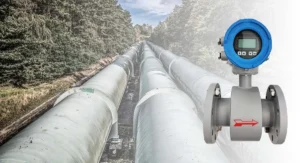
Electromagnetic Flowmeters in Industry | Applications & Case Studies Electromagnetic flowmeters (EMFs) are widely used in industrial applications to measure the flow rate of conductive liquids with high accuracy and reliability. Unlike mechanical meters, EMFs have no moving parts, making them suitable for challenging fluids such as slurries, corrosive solutions, and wastewater. This article focuses…

Water Flow Meter Engineering Case Studies | Industrial & Municipal Applications Accurate water flow measurement is a critical requirement in industrial processes, municipal water systems, and power generation. Engineers rely on water flow meters to monitor flow rates, optimize energy use, and maintain compliance with environmental standards. Unlike product-centered guides, this article focuses on real-world…

Flow Meter Selection Guide | Oil, Gas & Chemical Plant Applications Accurate flow measurement is a critical component of industrial process control. In oil, gas, and chemical plants, flow meters are essential for monitoring liquids, gases, and slurries to ensure process efficiency, safety, and compliance with environmental standards. Selecting the right flow meter for your…

Flow Meter Guide | Types, Selection & Industrial Applications In modern industrial processes, accurate flow measurement is critical for process control, efficiency, and safety. A flow meter is an instrument designed to measure the rate of fluid (liquid or gas) moving through a pipe or channel. Industrial sectors such as oil & gas, chemical processing,…