
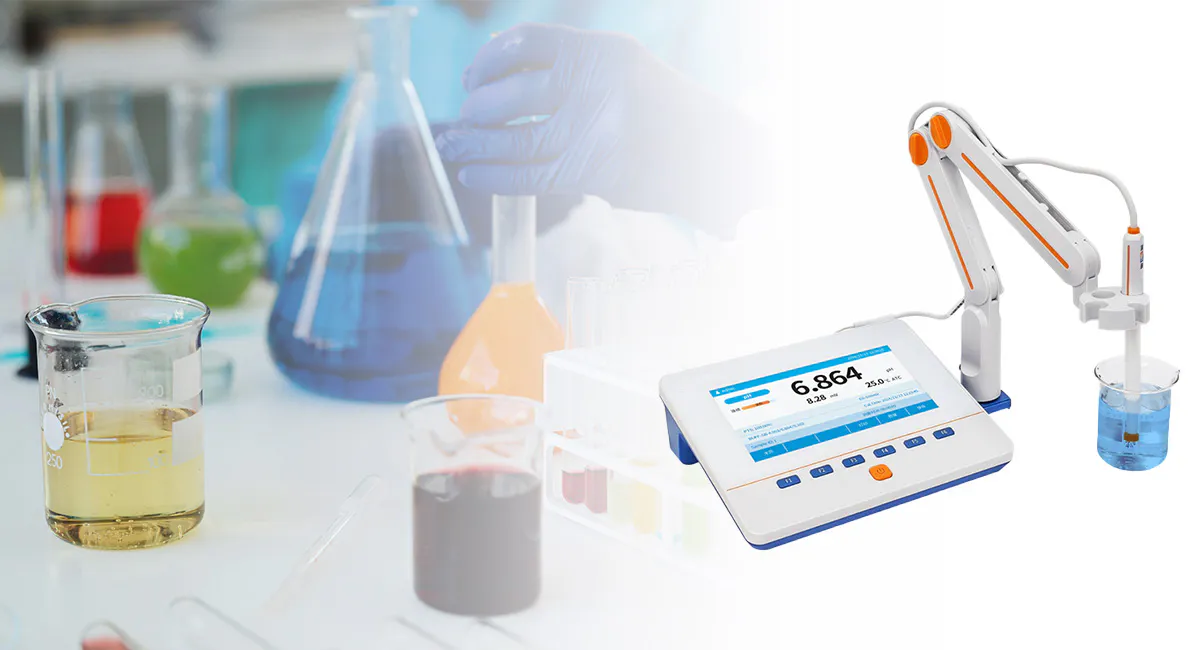
Dissolved Oxygen Meter in Liquid Analysis Solutions: The Real Driver of Biological Process Efficiency
In modern liquid analysis solutions, dissolved oxygen measurement is one of the most critical parameters for biological and chemical processes. Unlike pH or conductivity, dissolved oxygen directly influences microbial activity, oxidation efficiency, and overall system performance.
A dissolved oxygen meter in liquid analysis solutions is not simply used for monitoring—it acts as a control variable that determines whether a process operates efficiently or wastes energy and resources.
From wastewater treatment plants to aquaculture systems and industrial fermentation processes, maintaining optimal dissolved oxygen levels is essential for achieving stable and cost-effective operations.
Why Dissolved Oxygen Is a Cost-Control Parameter
In many industries, dissolved oxygen is closely linked to energy consumption, especially in aeration systems.
Dissolved oxygen control directly determines energy efficiency in aeration-driven processes.
Aeration Energy vs Dissolved Oxygen Levels
| DO Level (mg/L) | Process Condition | Energy Consumption (%) | Treatment Efficiency (%) |
|---|---|---|---|
| <1.0 | Oxygen deficiency | 60–70% | 40–60% |
| 1.0–2.0 | Sub-optimal | 70–85% | 60–80% |
| 2.0–4.0 | Optimal range | 85–100% | 90–98% |
| >5.0 | Over-aeration | 110–130% | 90–95% |
Operating below optimal DO levels reduces treatment efficiency, while excessive aeration significantly increases energy consumption without improving performance. Maintaining DO within the optimal range ensures both efficiency and cost control.
Optical vs Electrochemical Sensors: A Practical Perspective
Selecting the right dissolved oxygen meter in liquid analysis solutions often comes down to sensor technology.
Sensor selection determines long-term maintenance cost and measurement reliability.
Sensor Technology Comparison
| Sensor Type | Maintenance Frequency | Drift Rate | Lifetime (years) | Typical Application |
|---|---|---|---|---|
| Electrochemical (Clark) | Monthly | Medium | 1–2 | Low-cost applications |
| Optical (Luminescent) | 6–12 months | Low | 3–5 | Long-term monitoring |
Optical sensors reduce maintenance requirements and provide more stable readings over time, making them ideal for continuous monitoring systems. Electrochemical sensors, while more affordable, require frequent maintenance and calibration.
Industry-Specific DO Requirements
Different industries require different dissolved oxygen ranges and monitoring strategies.
Application-specific DO control is essential for process optimization.
Dissolved Oxygen Requirements by Industry
| Industry | Typical DO Range (mg/L) | Key Objective | Risk if Uncontrolled |
|---|---|---|---|
| Wastewater Treatment | 2–4 | Biological degradation | Inefficient treatment |
| Aquaculture | 4–8 | Fish health | Mortality risk |
| Fermentation | 1–3 | Microbial activity control | Product inconsistency |
| Power & Cooling Systems | <1 | Corrosion prevention | Equipment damage |
Each application has a narrow optimal DO range. Deviations can result in reduced efficiency, product loss, or equipment failure.
Long-Term Monitoring vs Short-Term Measurement
In many industrial systems, dissolved oxygen must be monitored continuously over long periods.
Long-term stability is more valuable than short-term measurement accuracy.
Performance Over Monitoring Duration
| Monitoring Period | Measurement Stability | Calibration Frequency | Data Reliability (%) |
|---|---|---|---|
| 1–7 days | High | Low | 95–98% |
| 1–3 months | Medium | Medium | 90–95% |
| 6–12 months | Depends on sensor | High (electrochemical) / Low (optical) | 85–98% |
Optical dissolved oxygen meters maintain higher stability over long periods, reducing calibration requirements and improving overall system reliability.
Integration with Automated Control Systems
Modern liquid analysis solutions rely heavily on automation, and dissolved oxygen data plays a key role in process control.
Automation integration transforms DO measurement into a process optimization tool.
Automation Impact on DO Control
| Control Method | Response Time | Energy Savings (%) | Process Stability (%) |
|---|---|---|---|
| Manual control | Minutes–hours | 0–10% | 60–70% |
| Semi-automated | 10–30 s | 10–25% | 70–85% |
| Fully automated | 1–5 s | 25–40% | 85–95% |
Automated systems adjust aeration levels in real time based on DO readings, reducing energy consumption while maintaining optimal process conditions.
Customization and Reliability in Industrial Projects
Standard dissolved oxygen meters may not meet the requirements of complex industrial systems, especially in long-term monitoring applications.
Instrava is a partner focused on providing equipment, solutions, and services for industrial measurement and control instruments used in safety-critical and process control applications. Through collaboration with industrial clients and OEM partners, Instrava delivers customized dissolved oxygen meter solutions within liquid analysis solutions, ensuring reliable performance, optimized sensor selection, and consistent quality control.
Customization options include:
Optical sensor configurations for long-term monitoring
Anti-fouling designs for wastewater applications
Integration with PLC/SCADA systems
OEM/ODM manufacturing support
Conclusion
A dissolved oxygen meter in liquid analysis solutions is not just a measurement device—it is a critical component for controlling energy consumption, optimizing biological processes, and ensuring system stability.
By selecting the right sensor technology, optimizing monitoring strategies, and integrating with automated systems, industries can significantly improve efficiency, reduce operational costs, and achieve long-term reliability.