
Inicio » Productos » Control de supervisión de potencia » Transmisor de corriente monofásico con RS485 Modbus para monitorización de potencia en carril DIN
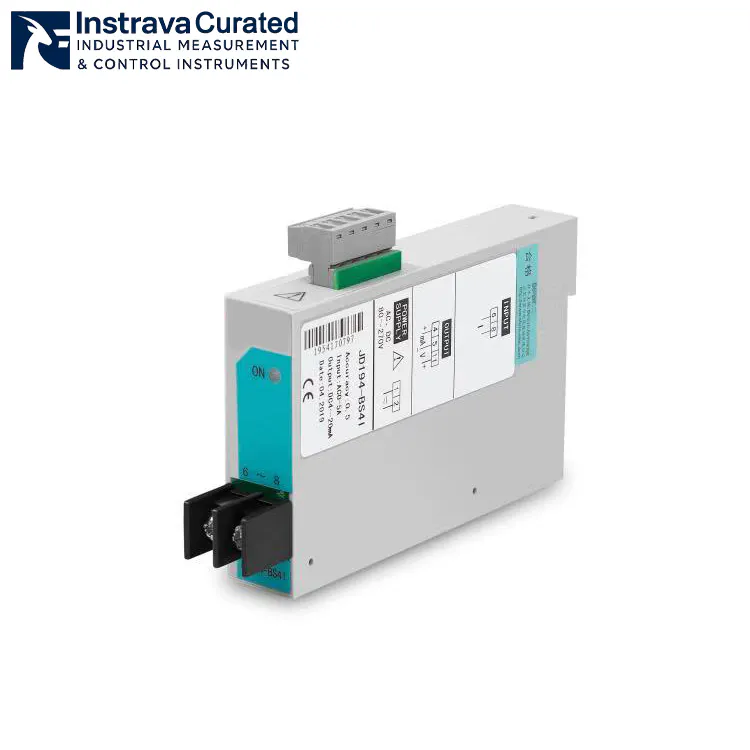
Transmisor de corriente monofásico con RS485 Modbus para monitorización de potencia en carril DIN
Instrava Curated Instruments — Precision Current Measurement for Smarter Systems
En Instrava, vamos más allá del simple suministro de instrumentos. A través de nuestra Instrumentos curados, cada single phase current transmitter is carefully selected from trusted manufacturers—ensuring stable performance, high accuracy, and long-term reliability.
Este DIN rail single phase current transmitter with RS485 Modbus output is engineered for modern industrial environments, delivering precise current and voltage measurement while enabling seamless integration into automation systems, energy monitoring platforms, and smart infrastructure.
Con nuestro Filosofía de soluciones optimizadas, we help customers deploy measurement technologies that perform reliably under real-world conditions—improving efficiency, reducing downtime, and enabling intelligent energy management.
Supervisión y control de la alimentación Descripción
High-Accuracy Single Phase Current Transmitter for Industrial Monitoring
Designed for precision signal conversion, this single phase AC current transmitter measures current (and voltage) and converts them into standardized analog signals (4–20mA / 0–5V) or digital outputs via RS485 Modbus RTU.
Principales características y ventajas
- ±0,5% Medición de alta precisión
Ensures reliable current monitoring for industrial automation and power systems. - Dual Measurement Capability (Current + Voltage)
Functions as both a transmisor actual y voltage monitoring device, reducing hardware requirements. - Opciones de salida flexibles
Admite current to 4-20mA converter and digital communication for PLC/SCADA systems. - Fast Data Update Rate (1s)
Enables real-time monitoring for critical applications. - DIN Rail Mounting Design
Easy installation in electrical panels and distribution cabinets.
Aplicaciones típicas
- Industrial current monitoring systems
- Power distribution panels
- Smart energy management systems
- Building electrical automation
- Data center auxiliary systems
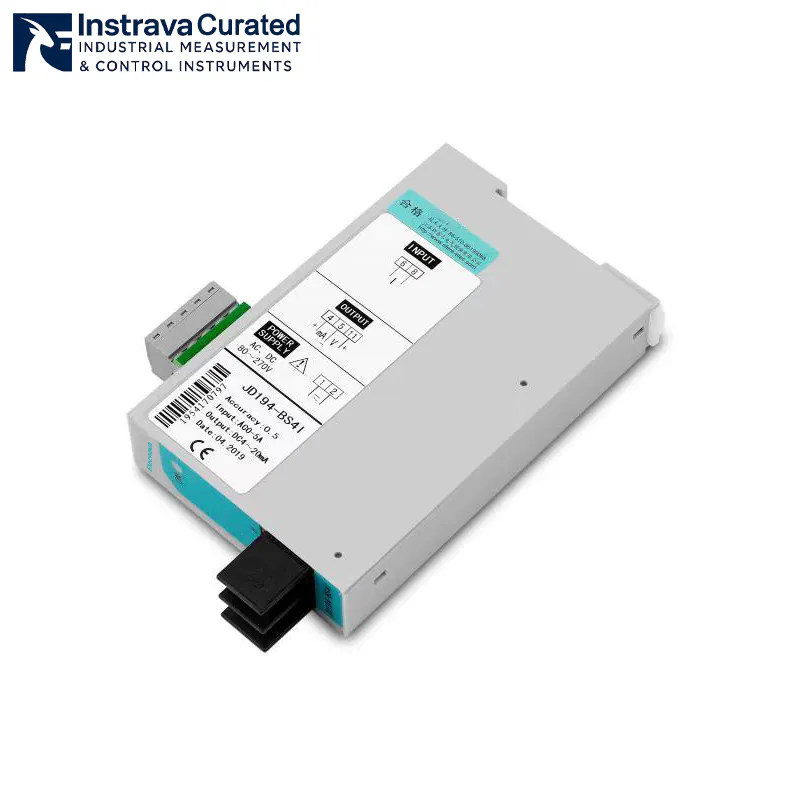
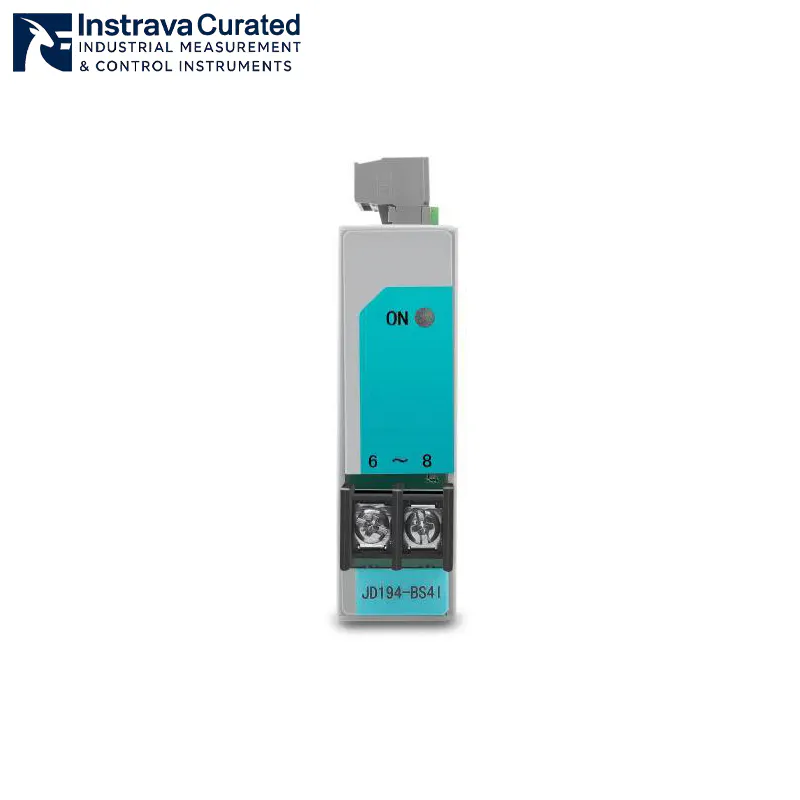
Engineered for Harsh Environments & Smart Energy Systems
Este RS485 Modbus single phase current transmitter is built for reliability in demanding environments and supports modern digital monitoring systems.
Rendimiento avanzado
- Amplia temperatura de funcionamiento (-40°C a 70°C)
Stable performance in extreme industrial conditions. - Strong EMC Protection (Above Level III)
Ensures accurate signal transmission even in high-interference environments. - High Insulation Strength (≥2kVAC)
Improves safety and protects connected systems. - Wide Power Supply Compatibility
Supports AC/DC input or can be powered directly from the load.
Capacidad de integración inteligente
- Seamless connection to Plataformas PLC, SCADA e IoT
- Real-time data transmission via Modbus RTU RS485
- Activa AI-driven analytics, predictive maintenance, and energy optimization
Parámetros de supervisión y control de potencia
| Parámetro | Especificación |
|---|---|
| Precisión | ±0,5% |
| Data Update Rate | 1s |
| Corriente de entrada | AC 1A / 5A |
| Tensión de entrada | AC 100V / 220V / 400V |
| Frecuencia | 45-65Hz |
| Capacidad de sobrecarga | 2× continuous rated value |
| Fuente de alimentación | AC 80–270V / DC 100–350V / Load-powered |
| Consumo de energía | ≤5VA |
| Salida analógica | 4–20mA (≤350Ω), 0–5V (≥20kΩ) |
| Comunicación | RS485, Modbus RTU, 2 hilos, hasta 9600bps |
| Temperatura de funcionamiento | -40°C a 70°C |
| Temperatura de almacenamiento | -40°C a 85°C |
| Humedad | ≤93%RH |
| Aislamiento | ≥2kVAC |
| Instalación | DIN Rail |
| Altitud | ≤2500m |
Instrava OEM/ODM
Abastecimiento a medida y personalización: te ofrecemos exactamente el producto que necesitas
Como tu proveedor de confianza y socio en el abastecimiento, tendemos un puente entre tus necesidades específicas y la enorme capacidad de fabricación de China.
Encontrar el producto adecuado en una cadena de suministro tan extensa puede resultar complicado. Ahí es donde entramos nosotros.
Como proveedor industrial especializado, nuestro valor fundamental es sencillo: Nos ponemos en tu lugar para ayudarte a adquirir los productos más adecuados. Tanto si eres un Contratista EPC que requiera un cumplimiento técnico especializado, un Fabricante de equipos originales (OEM) ¿Buscas una imagen de marca personalizada o un distribuidor industrial/comerciante Con el objetivo de ofrecerte una ventaja competitiva, personalizamos y adaptamos los productos para que se ajusten exactamente a tus necesidades de adquisición.
Cómo adaptamos nuestros servicios a tus necesidades de compras
Para contratistas e ingenieros de EPC: Configuramos a medida instrumentos y dispositivos para que se ajusten exactamente a sus especificaciones técnicas, adaptando las conexiones de proceso, los materiales especiales y los protocolos de señal, y gestionando la calibración y las pruebas realizadas por terceros, para que usted disponga de soluciones listas para su proyecto.
Para fabricantes de equipos originales (OEM): Ofrecemos un servicio integral de personalización OEM/ODM, que incluye carcasas a medida, etiquetado, marca propia (marca privada) y especificaciones técnicas adaptadas para que se integren a la perfección con su maquinaria.
Para distribuidores y comerciantes industriales: Ofrecemos opciones de personalización flexibles en cuanto a embalajes, gamas de productos y parámetros técnicos, lo que te ayudará a diferenciar tu cartera de productos y a ganar más licitaciones locales.
¿Por qué colaborar con nosotros en el abastecimiento a medida?
Servicio integral de alineación de ingeniería: No tendrás que tratar con varias fábricas. Nos encargamos de plasmar tus requisitos técnicos en planos de fabricación precisos.
Estrictas medidas de garantía de calidad y cumplimiento: Supervisamos todo el proceso de personalización y producción en China, garantizando que el producto final personalizado cumpla con las normas y certificaciones locales.
Nuestro valor fundamental: No nos limitamos a vender lo que hay en las estanterías. Buscamos, personalizamos y entregamos el el producto más adecuado y rentable para tu aplicación específica.

¿Qué es un transductor de corriente y cómo funciona?
A current transducer is a device that measures electrical current and converts it into a standardized output signal such as 4–20mA, 0–10V, or digital signals like Modbus. It typically uses technologies such as Hall effect or shunt-based measurement to detect current flow.
In modern monitoring systems, current transducers enable real-time data acquisition, making them essential for energy management, automation, and data center power monitoring.
¿Qué es un transmisor de corriente y dónde se utiliza?
A current transmitter is a type of current transducer designed specifically to output a stable 4–20mA signal for industrial control systems. It is widely used in PLC and DCS environments where reliable analog signal transmission is required.
Current transmitters are commonly applied in process industries, power distribution systems, and infrastructure where noise immunity and signal stability are critical.
¿Cuál es la diferencia entre un transductor de corriente y un transmisor de corriente?
A current transducer is a broader category that includes devices with both analog and digital outputs, while a current transmitter typically refers to devices that provide standardized 4–20mA outputs for industrial control.
In essence, all current transmitters are transducers, but not all transducers are transmitters. Transducers offer greater flexibility and are more suitable for digital monitoring systems such as SCADA or DCIM.
Which is better for data centers: current transducer or current transmitter?
For data centers, current transducers are generally preferred due to their ability to provide high-resolution data, support digital communication protocols, and integrate with DCIM, BMS, and cloud platforms.
Current transmitters may still be used in specific subsystems requiring analog inputs, but transducers are better suited for modern, data-driven infrastructure.
What output signals do current transducers and transmitters provide?
Current transducers can provide a variety of outputs, including:
- Analog signals: 4–20mA, 0–10V
- Digital signals: Modbus RTU, Modbus TCP, Ethernet
Current transmitters typically provide:
- 4–20mA analog output (sometimes with HART protocol)
The choice depends on system requirements, communication infrastructure, and level of data integration needed.
How do current transducers improve power monitoring systems?
Current transducers enhance power monitoring by delivering accurate, real-time current data that can be integrated into monitoring and control systems. This enables:
- Load analysis and balancing
- Energy consumption tracking
- Fault detection and predictive maintenance
- Optimization of power distribution
In AI data centers, this data is critical for ensuring stable operation, improving energy efficiency, and supporting intelligent infrastructure management.
¿Por qué confiar en Instrava?
Seleccionamos a los fabricantes desde un punto de vista neutral e imparcial, teniendo siempre en cuenta tus intereses.
Nuestra propia existencia depende de que te ayudemos a encontrar los productos que mejor se adapten a tus necesidades.
Al tener nuestra sede en China, podemos realizar inspecciones in situ de los entornos de producción y comprobar de primera mano la calidad de los productos.
Te ayudamos a evitar a los intermediarios que se hacen pasar por fábricas.
Facilitamos una atención posventa más fluida, eliminando los problemas relacionados con las diferencias horarias y los retrasos que suelen producirse al tratar directamente con las fábricas.
Nuestro equipo multilingüe garantiza una comunicación eficaz.
Para una startup dedicada al trading, cada interacción con un cliente es una oportunidad muy valiosa: una señal de que estás dispuesto a depositar tu confianza en nosotros y a darnos la oportunidad de demostrar nuestra valía.
En la era digital, aunque se puede acceder fácilmente a la información, los conceptos erróneos suelen enturbiar la confianza entre las personas.
Instrava se basa por completo en la confianza; es nuestra filosofía fundamental y el pilar de nuestra existencia en la sociedad. Es la base fundamental de nuestro crecimiento a largo plazo y de nuestro compromiso de servir a la comunidad.
Por favor, confía en nosotros.