
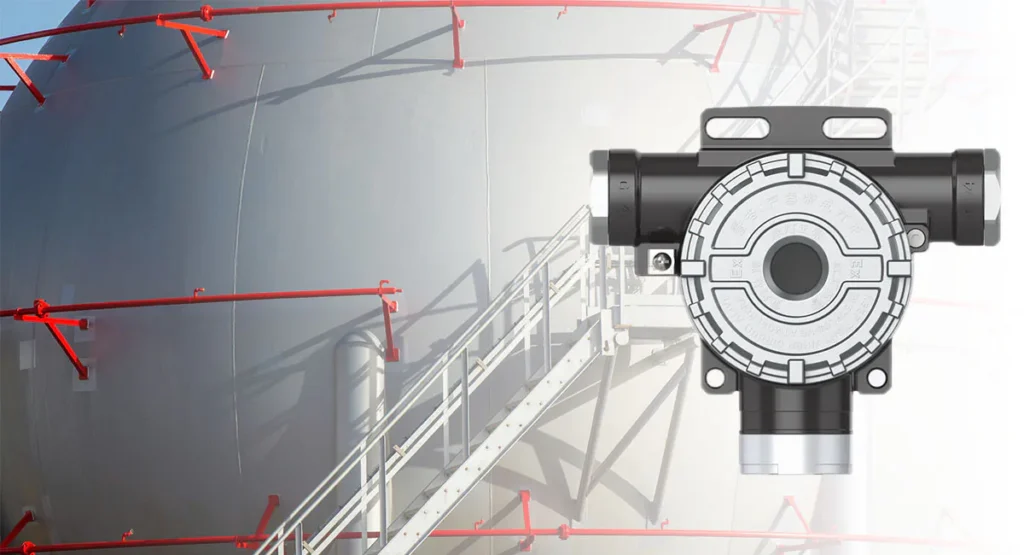
Propane is a widely used fuel in industrial, commercial, and residential applications. While it is highly efficient, propane is also highly flammable, and even small leaks can lead to serious hazards. Proper use of propane gas detectors is critical for industrial safety, ensuring early detection of leaks, protecting personnel, and complying with safety regulations. This article provides a detailed guide on applications, installation, operation, and maintenance of propane gas detectors.
1. Industrial Applications of Propane Gas Detectors
Propane gas detectors are used in a variety of industrial settings where LPG is stored, transported, or used in processes:
| Industri | Penggunaan Khas | Jenis Detektor |
|---|---|---|
| LPG Storage & Distribution | Tank farms, loading/unloading areas | Fixed LEL detectors, Hydrocarbon IR detectors |
| Minyak & Gas | Pipelines, compressor stations | Fixed and portable LEL detectors |
| Pabrik Kimia | Reactor rooms, process vents | Toxic and flammable gas detectors |
| Commercial Kitchens / Manufacturing | Boilers, furnaces, equipment rooms | Portable or wall-mounted detectors |
Key Insight: Fixed gas detectors continuously monitor critical areas, while portable gas detectors provide personal safety during maintenance, inspection, or confined space entry.
In an LPG storage facility, propane accumulation near the tank bases posed a high risk. By deploying Instrava’s fixed LEL propane gas detectors, continuous monitoring was achieved, and integration with the facility SCADA system allowed automatic alarm and ventilation control.
2. How Propane Gas Detectors Work
Propane detectors utilize different sensing technologies based on industrial needs:
| Jenis Sensor | Fungsi | Waktu Tanggapan | Maintenance Notes |
|---|---|---|---|
| Catalytic / LEL | Detects combustible gases | <20s | Sensitive to sensor poisoning, requires clean air |
| Inframerah (IR) | Detects hydrocarbon gases | <10s | Low maintenance, long lifespan |
| Semikonduktor | Detects propane and other flammable gases | 15–30s | May require frequent calibration in harsh environments |
Kiat Pro: In high-risk industrial environments, combining sensor types ensures reliability and reduces false alarms.
3. Panduan Instalasi
Proper installation ensures early detection and minimizes risk:
-
Placement Height: Propane is heavier than air; detectors should be installed 30–50 cm above the floor.
-
Ventilation Considerations: Avoid areas with strong drafts or airflow that may dilute gas concentration.
-
Zona Mati: Detect potential accumulation spots such as corners, low-lying pits, and near valves.
-
Visibilitas Alarm: Ensure alarms are audible and visible throughout the facility.
Installation Example Table:
| Lokasi | Sensor Height | Jenis Detektor | Catatan |
|---|---|---|---|
| Tank Farm | 0.3-0.5 m | LEL tetap | Covers propane accumulation at ground level |
| Loading Area | 0.5–1 m | IR Hydrocarbon | Continuous monitoring of tanker offloading |
| Koridor Pipa | 0.3–1 m | LEL portabel | Task-based monitoring during inspection |
| Entri Ruang Terbatas | Floor level | LEL portabel | Early warning before entry |
4. Respons Alarm dan Prosedur Keselamatan
Proper alarm response is essential for minimizing hazards:
| Jenis Alarm | Pemicu | Tindakan yang Disarankan |
|---|---|---|
| Fixed Detector Alarm | Pemantauan area berkelanjutan | Evakuasi personel, aktifkan ventilasi, beri tahu ruang kontrol |
| Portable Detector Alarm | Personal exposure | Evakuasi segera, laporkan kepada supervisor |
| Alarm Gabungan | Area + Personal | Memulai pemadaman, hubungi tim tanggap darurat |
Tip: Facility SOPs should clearly define roles and responsibilities during alarm events.
5. Pemeliharaan dan Kalibrasi
To ensure consistent performance, propane detectors require regular maintenance:
| Tugas | Perangkat | Frekuensi | Tujuan |
|---|---|---|---|
| Uji Benturan | Tetap & Portabel | Mingguan / Sebelum digunakan | Memverifikasi respons alarm dan sensor |
| Kalibrasi | Tetap & Portabel | Setiap 6-12 bulan | Mempertahankan akurasi pengukuran |
| Penggantian Sensor | Tetap & Portabel | Panduan dari produsen | Prevent sensor drift or failure |
| Pencatatan Data | Sistem Terpadu | Berkelanjutan | Kepatuhan dan analisis insiden |
Praktik Terbaik:
-
Keep digital records of all tests and calibration events
-
Periksa silang pembacaan detektor tetap dan portabel
-
Conduct periodic safety audits to identify installation or maintenance issues
6. Regulatory Compliance and Standards
Propane detection systems must comply with industrial safety standards:
-
OSHA: Occupational safety regulations for combustible gas monitoring
-
NFPA 58: Liquefied Petroleum Gas Code
-
EN 60079: Peralatan untuk atmosfer yang mudah meledak (Eropa)
-
ISO 9001 / ISO 14001: Quality and environmental management systems
Kiat Pro: Compliance is easier when detectors are integrated with alarm response procedures and data logging systems.
7. Best Practices for Industrial Safety
-
Combine fixed and portable propane gas detectors for layered protection
-
Conduct regular employee training on alarm response and evacuation procedures
-
Perform periodic maintenance and calibration to ensure detector reliability
-
Document all testing, alarms, and incidents for safety audits and compliance verification
8. Case Study Example
Skenario: LPG storage facility in an industrial chemical plant.
-
Fixed detectors: Installed near tank bases, vents, and pipelines
-
Portable detectors: Worn by maintenance personnel entering confined spaces
-
Alarm integration: Alarms trigger SCADA system notifications and activate ventilation
-
Hasil: Early detection prevented potential propane leaks and ensured regulatory compliance
Data Point: Facilities using combined fixed and portable propane detectors reduced near-miss incidents by 70–80% over 2 years (internal audit).
9. Kesimpulan
Propane gas detectors are essential for safe industrial operations. Combining fixed and portable detectors ensures multi-layered safety, reduces risk of exposure, and supports regulatory compliance. By following proper installation, alarm response, and maintenance guidelines, industrial facilities can protect personnel, assets, and the environment from propane hazards.