
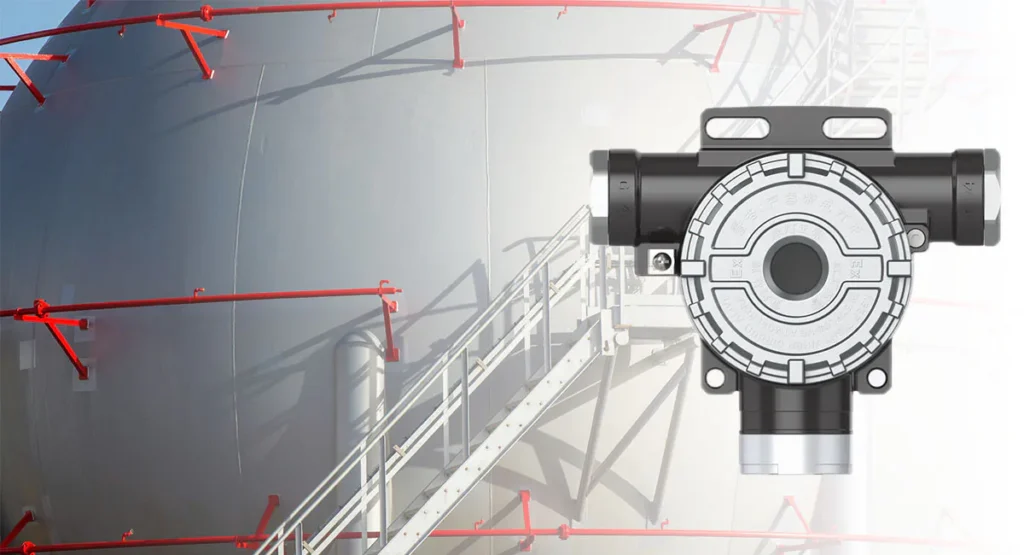
Propane is a widely used fuel in industrial, commercial, and residential applications. While it is highly efficient, propane is also highly flammable, and even small leaks can lead to serious hazards. Proper use of propane gas detectors is critical for industrial safety, ensuring early detection of leaks, protecting personnel, and complying with safety regulations. This article provides a detailed guide on applications, installation, operation, and maintenance of propane gas detectors.
1. Industrial Applications of Propane Gas Detectors
Propane gas detectors are used in a variety of industrial settings where LPG is stored, transported, or used in processes:
| อุตสาหกรรม | การใช้งานทั่วไป | ประเภทของเครื่องตรวจจับ |
|---|---|---|
| LPG Storage & Distribution | Tank farms, loading/unloading areas | Fixed LEL detectors, Hydrocarbon IR detectors |
| น้ำมันและก๊าซ | Pipelines, compressor stations | Fixed and portable LEL detectors |
| โรงงานเคมี | Reactor rooms, process vents | Toxic and flammable gas detectors |
| Commercial Kitchens / Manufacturing | Boilers, furnaces, equipment rooms | Portable or wall-mounted detectors |
Key Insight: Fixed gas detectors continuously monitor critical areas, while portable gas detectors provide personal safety during maintenance, inspection, or confined space entry.
In an LPG storage facility, propane accumulation near the tank bases posed a high risk. By deploying Instrava’s fixed LEL propane gas detectors, continuous monitoring was achieved, and integration with the facility SCADA system allowed automatic alarm and ventilation control.
2. How Propane Gas Detectors Work
Propane detectors utilize different sensing technologies based on industrial needs:
| ประเภทเซ็นเซอร์ | ฟังก์ชัน | เวลาตอบสนอง | Maintenance Notes |
|---|---|---|---|
| Catalytic / LEL | Detects combustible gases | <20s | Sensitive to sensor poisoning, requires clean air |
| Infrared (IR) | Detects hydrocarbon gases | <10s | Low maintenance, long lifespan |
| สารกึ่งตัวนำ | Detects propane and other flammable gases | 15–30s | May require frequent calibration in harsh environments |
เคล็ดลับจากผู้เชี่ยวชาญ: In high-risk industrial environments, combining sensor types ensures reliability and reduces false alarms.
3. แนวทางการติดตั้ง
Proper installation ensures early detection and minimizes risk:
-
Placement Height: Propane is heavier than air; detectors should be installed 30–50 cm above the floor.
-
Ventilation Considerations: Avoid areas with strong drafts or airflow that may dilute gas concentration.
-
เขตปลอดชีวิต Detect potential accumulation spots such as corners, low-lying pits, and near valves.
-
การมองเห็นสัญญาณเตือน: Ensure alarms are audible and visible throughout the facility.
Installation Example Table:
| สถานที่ | Sensor Height | ประเภทของเครื่องตรวจจับ | หมายเหตุ |
|---|---|---|---|
| พื้นที่เก็บน้ำมัน | 0.3–0.5 เมตร | Fixed LEL | Covers propane accumulation at ground level |
| Loading Area | 0.5–1 m | IR Hydrocarbon | Continuous monitoring of tanker offloading |
| แนวท่อส่ง | 0.3–1 m | Portable LEL | Task-based monitoring during inspection |
| การเข้าพื้นที่อับอากาศ | Floor level | Portable LEL | Early warning before entry |
4. ขั้นตอนการตอบสนองต่อสัญญาณเตือนภัยและความปลอดภัย
Proper alarm response is essential for minimizing hazards:
| ประเภทของสัญญาณเตือน | ทริกเกอร์ | การดำเนินการที่แนะนำ |
|---|---|---|
| Fixed Detector Alarm | การตรวจสอบพื้นที่อย่างต่อเนื่อง | อพยพบุคลากร, เปิดระบบระบายอากาศ, แจ้งเตือนห้องควบคุม |
| Portable Detector Alarm | Personal exposure | อพยพทันที รายงานต่อผู้บังคับบัญชา |
| สัญญาณเตือนภัยรวม | Area + Personal | เริ่มการปิดระบบ, เรียกทีมตอบสนองฉุกเฉิน |
เคล็ดลับ: Facility SOPs should clearly define roles and responsibilities during alarm events.
5. การบำรุงรักษาและการสอบเทียบ
To ensure consistent performance, propane detectors require regular maintenance:
| งาน | อุปกรณ์ | ความถี่ | วัตถุประสงค์ |
|---|---|---|---|
| การทดสอบการกระแทก | ติดตั้งถาวรและเคลื่อนย้ายได้ | รายสัปดาห์ / ก่อนใช้งาน | ตรวจสอบการตอบสนองของสัญญาณเตือนและเซ็นเซอร์ |
| การสอบเทียบ | ติดตั้งถาวรและเคลื่อนย้ายได้ | ทุก 6–12 เดือน | รักษาความแม่นยำในการวัด |
| การเปลี่ยนเซ็นเซอร์ | ติดตั้งถาวรและเคลื่อนย้ายได้ | Manufacturer guidance | Prevent sensor drift or failure |
| การบันทึกข้อมูล | ระบบบูรณาการ | ต่อเนื่อง | Compliance and incident analysis |
แนวทางปฏิบัติที่ดีที่สุด:
-
Keep digital records of all tests and calibration events
-
ตรวจสอบความถูกต้องของค่าที่อ่านได้จากเครื่องตรวจจับแบบติดตั้งและแบบพกพา
-
Conduct periodic safety audits to identify installation or maintenance issues
6. Regulatory Compliance and Standards
Propane detection systems must comply with industrial safety standards:
-
OSHA: Occupational safety regulations for combustible gas monitoring
-
NFPA 58: Liquefied Petroleum Gas Code
-
EN 60079: อุปกรณ์สำหรับบริเวณที่มีบรรยากาศระเบิดได้ (ยุโรป)
-
ISO 9001 / ISO 14001: Quality and environmental management systems
เคล็ดลับจากผู้เชี่ยวชาญ: Compliance is easier when detectors are integrated with alarm response procedures and data logging systems.
7. Best Practices for Industrial Safety
-
Combine fixed and portable propane gas detectors for layered protection
-
Conduct regular employee training on alarm response and evacuation procedures
-
Perform periodic maintenance and calibration to ensure detector reliability
-
Document all testing, alarms, and incidents for safety audits and compliance verification
8. Case Study Example
สถานการณ์: LPG storage facility in an industrial chemical plant.
-
Fixed detectors: Installed near tank bases, vents, and pipelines
-
Portable detectors: Worn by maintenance personnel entering confined spaces
-
Alarm integration: Alarms trigger SCADA system notifications and activate ventilation
-
ผลลัพธ์: Early detection prevented potential propane leaks and ensured regulatory compliance
จุดข้อมูล: Facilities using combined fixed and portable propane detectors reduced near-miss incidents by 70–80% over 2 years (internal audit).
9. Conclusion
Propane gas detectors are essential for safe industrial operations. Combining fixed and portable detectors ensures multi-layered safety, reduces risk of exposure, and supports regulatory compliance. By following proper installation, alarm response, and maintenance guidelines, industrial facilities can protect personnel, assets, and the environment from propane hazards.