
- By Instrava
- 02/01/2026
- 0 Comment
One Platform – Multiple Analyzers & Transmitters
A Unified Solution for Liquid Analysis and Process Control
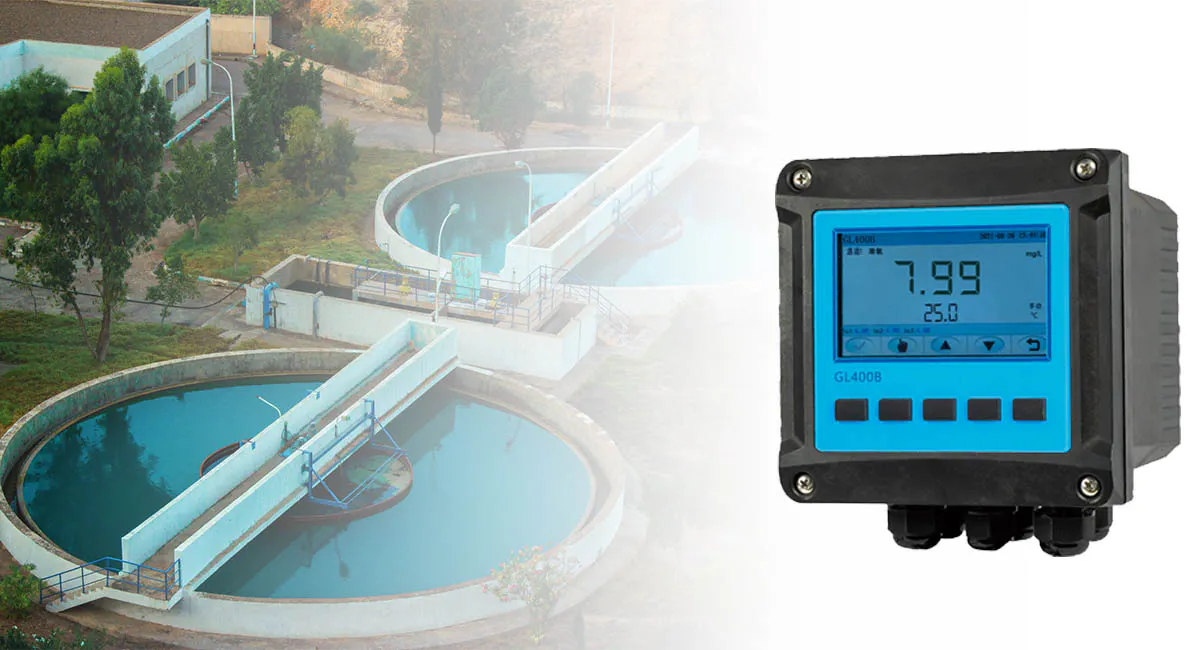
Modern industrial operations increasingly demand flexibility, standardization, and long-term reliability from liquid analyzers and transmitters. Instead of deploying isolated instruments for each parameter, a unified platform approach enables consistent measurement, simplified integration, and scalable expansion across diverse applications.
Why a Single-Platform Strategy Matters in Liquid Analysis
In complex industrial environments, measurement challenges are rarely caused by a lack of sensors, but by fragmented systems that increase integration, maintenance, and operational risk.
Traditional liquid analysis setups rely on separate analyzers for dissolved oxygen, turbidity, chlorine, pH/ORP, conductivity, and sludge concentration. While functional, this fragmented approach introduces variability in interfaces, calibration methods, spare parts, and data interpretation.
A single platform designed to support multiple liquid analyzers and transmitters provides a more stable foundation for process control, especially in safety-critical and continuous operation environments.
One Platform Supporting Multiple Liquid Analyzers
Supported Measurement Functions
Dissolved Oxygen Analyzer
Sludge Concentration Analyzer
Turbidity Analyzer
Residual Chlorine Analyzer
pH / ORP Transmitter
Conductivity Transmitter
Each function is enabled within the same platform architecture, sharing common signal processing, communication, and system integration logic.
A multi-analyzer platform reduces system complexity by consolidating diverse liquid measurements into a single standardized architecture.
Analyzer Coverage: Single-Function Devices vs Multi-Analyzer Platform
| Measurement Type | Standalone Device Required | Unified Platform Support |
|---|---|---|
| Dissolved Oxygen | Yes | Yes |
| Sludge Concentration | Yes | Yes |
| Turbidity | Yes | Yes |
| Residual Chlorine | Yes | Yes |
| pH / ORP | Yes | Yes |
| Conductivity | Yes | Yes |
| Shared Interface & Protocol | No | Yes |
Standalone analyzers typically require individual configuration, communication setup, and lifecycle management. A unified platform standardizes user interaction and data handling, reducing engineering effort and operational inconsistency across measurement points.
Simplifying Deployment Across Industries
The value of a multi-analyzer platform increases as it is deployed across diverse industries with varying process requirements.
The same liquid analyzer platform can be applied across:
Oil & Gas
Chemical Processing
Thermal Power Generation
New Energy Systems
Food & Beverage
Pharmaceutical Manufacturing
Water & Wastewater Treatment
Environmental Protection Projects
Platform-based liquid analysis solutions enable cross-industry reuse without redesigning measurement infrastructure.
Industry Applicability of a Unified Liquid Analyzer Platform
| Industry | Typical Parameters Used |
|---|---|
| Oil & Gas | pH, Conductivity, Turbidity |
| Chemical | pH/ORP, Conductivity, DO |
| Power Generation | Conductivity, pH, Dissolved Oxygen |
| New Energy | pH, Conductivity |
| Food & Beverage | Turbidity, pH, Residual Chlorine |
| Pharmaceutical | pH/ORP, Conductivity |
| Water Treatment | pH, DO, Turbidity, Chlorine |
| Environmental Protection | pH, DO, Conductivity |
Instead of maintaining industry-specific analyzer systems, a unified platform allows operators and OEMs to standardize training, spare parts, and integration practices while adapting measurement functions to different processes.
Operational Advantages of a Unified Analyzer Platform
Standardization at the platform level directly influences long-term operational efficiency.
Key Advantages
Consistent signal processing across parameters
Unified communication and control interfaces
Simplified calibration and diagnostics
Reduced spare parts inventory
Easier system expansion and retrofitting
Over the system lifecycle, platform-based analyzers reduce operational burden more effectively than standalone instruments.
Lifecycle Comparison: Standalone Analyzers vs Unified Platform
| Evaluation Factor | Standalone Analyzers | Unified Platform |
|---|---|---|
| Configuration Effort | High | Low |
| Operator Training | Multiple Systems | Single System |
| Spare Parts Variety | High | Reduced |
| Maintenance Frequency | Higher | Lower |
| System Expansion | Complex | Modular |
By consolidating analyzer functions within a single platform, organizations reduce the cumulative operational overhead that typically grows as more measurement points are added.
A Scalable Foundation for Future Measurement Needs
Measurement requirements evolve, but platform architecture should remain stable.
A multi-analyzer platform allows new measurement functions to be added without redesigning control systems or retraining personnel. This scalability is especially valuable in long-term projects where future process changes are expected.
Designed for Reliable Process Control
Rather than focusing on individual measurement accuracy alone, a platform-based approach emphasizes system-level reliability, data consistency, and operational predictability.
This makes a unified liquid analyzer and transmitter platform particularly suitable for continuous processes, regulated industries, and environments where downtime or measurement inconsistency carries significant risk.
Summary: One Platform, Long-Term Confidence
A unified liquid analyzer platform is not about reducing instruments—it is about reducing uncertainty.
By supporting multiple liquid analyzers and transmitters within a single architecture, industrial operators gain a more flexible, scalable, and reliable foundation for process measurement across industries and applications.