
- โดย อินสตราวา
- 01/07/2026
- 0 ความคิดเห็น
เครื่องส่งสัญญาณความดัน vs เซ็นเซอร์ความดัน: ความแตกต่างที่สำคัญ, การใช้งาน, และคู่มือการเลือก
เครื่องส่งสัญญาณความดัน vs เซ็นเซอร์ความดัน | ความแตกต่างที่สำคัญและการประยุกต์ใช้ในอุตสาหกรรม
ในกระบวนการอุตสาหกรรมสมัยใหม่ การวัดความดันอย่างถูกต้องเป็นสิ่งจำเป็นสำหรับการดำเนินงานที่ปลอดภัยและมีประสิทธิภาพ เครื่องมือสองชนิดที่มักถูกกล่าวถึงคือตัวส่งสัญญาณความดัน (pressure transmitters) และเซ็นเซอร์ความดัน (pressure sensors) แม้ว่าทั้งสองจะถูกเอ่ยถึงร่วมกันบ่อยครั้ง แต่พวกมันมีวัตถุประสงค์ที่แตกต่างกันในระบบอุตสาหกรรม การเข้าใจความแตกต่างระหว่างเครื่องมือสองชนิดนี้มีความสำคัญอย่างยิ่งสำหรับวิศวกร, ผู้ออกแบบระบบ, และผู้ปฏิบัติการในสาขาต่าง ๆ เช่น น้ำมันและก๊าซ, การผลิตสารเคมี, การบำบัดน้ำ, และการผลิตไฟฟ้า.
คู่มือนี้ให้การเปรียบเทียบอย่างละเอียดเกี่ยวกับตัวส่งสัญญาณความดันและเซ็นเซอร์ความดัน, หลักการการทำงาน, การนำไปใช้, และการพิจารณาการเลือกใช้สำหรับกระบวนการอุตสาหกรรม.
เซ็นเซอร์ความดันคืออะไร?
เซ็นเซอร์วัดความดันเป็นอุปกรณ์ที่ตรวจจับความดันของของเหลวหรือแก๊ส และเปลี่ยนให้เป็นสัญญาณที่สามารถอ่านได้ ซึ่งมักเป็นแรงดันไฟฟ้า. มันประกอบด้วยองค์ประกอบที่ไวต่อการเปลี่ยนแปลงซึ่งจะเปลี่ยนรูปร่างภายใต้ความดัน และสร้างสัญญาณที่มีค่าสัดส่วนกับความดันที่ถูกกระทำ.
ลักษณะสำคัญของเซ็นเซอร์ความดัน:
การวัดความดันโดยตรง (เกจ, อสัมบูรณ์, หรือต่างกัน)
โดยทั่วไปจะส่งสัญญาณอนาล็อกระดับต่ำ (มิลลิโวลต์หรือโวลต์)
จำเป็นต้องใช้อุปกรณ์อิเล็กทรอนิกส์ภายนอกสำหรับการปรับสัญญาณหากต้องการรวมเข้ากับระบบควบคุม
การใช้งานทั่วไป:
การตรวจจับความดันในท่อส่ง
การตรวจสอบปั๊มและเครื่องอัด
การวัดความดันในห้องปฏิบัติการและวิจัยและพัฒนา
เครื่องส่งสัญญาณความดันคืออะไร?
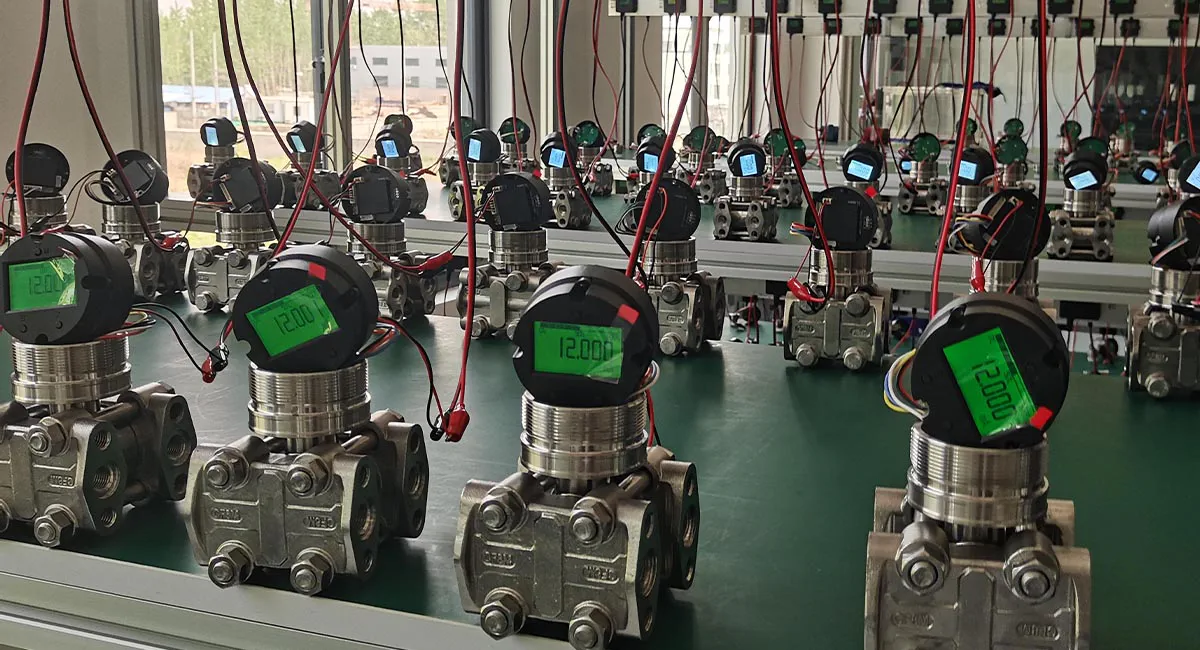
A เครื่องส่งสัญญาณความดัน, ในทางกลับกัน เป็นอุปกรณ์ระดับอุตสาหกรรมที่ประกอบด้วยทั้งส่วนรับสัญญาณและส่วนอิเล็กทรอนิกส์เพื่อแปลงสัญญาณให้เป็นเอาต์พุตมาตรฐาน เช่น 4–20 mA หรือโปรโตคอลดิจิทัล (HART, Modbus) ซึ่งทำให้เหมาะสำหรับการรวมเข้ากับระบบควบคุมและแพลตฟอร์มอัตโนมัติในอุตสาหกรรมโดยตรง.
ลักษณะสำคัญของตัวส่งสัญญาณความดัน:
แปลงสัญญาณจากเซ็นเซอร์เป็นสัญญาณมาตรฐานอุตสาหกรรม
มักรวมถึงการชดเชยอุณหภูมิและการทำให้เป็นเส้นตรง
สามารถรองรับการตรวจสอบและวินิจฉัยจากระยะไกลได้
ได้รับการรับรองสำหรับสภาพแวดล้อมที่อันตราย (ATEX, IECEx)
การใช้งานทั่วไป:
การตรวจสอบท่อส่งน้ำมันและก๊าซ
ถังเก็บก๊าซ LPG/LNG
การควบคุมความดันในเครื่องปฏิกรณ์ทางเคมี
ระบบบำบัดน้ำและระบบจ่ายน้ำ
ตัวส่งสัญญาณความดัน vs เซ็นเซอร์ความดัน: ความแตกต่างหลัก
| คุณสมบัติ | เซ็นเซอร์ความดัน | เครื่องส่งสัญญาณความดัน |
|---|---|---|
| ฟังก์ชัน | วัดความดันเท่านั้น | วัดและส่งสัญญาณมาตรฐาน |
| ผลลัพธ์ | แรงดันไฟฟ้า, มิลลิโวลต์, หรือความต้านทาน | 4–20 mA, HART, Modbus หรือเอาต์พุตดิจิทัลอื่น ๆ |
| อิเล็กทรอนิกส์ | มักต้องการการปรับสัญญาณภายนอก | การปรับสัญญาณและการขยายสัญญาณแบบบูรณาการ |
| การบูรณาการอุตสาหกรรม | จำกัด อาจต้องใช้ฮาร์ดแวร์เพิ่มเติม | พร้อมสำหรับการผสานรวม PLC/DCS/SCADA |
| ความแม่นยำและความเสถียร | ปานกลาง | สูง พร้อมการชดเชยอุณหภูมิ |
| ความเหมาะสมของสภาพแวดล้อม | โดยปกติแล้วจะเป็นห้องปฏิบัติการ/โต๊ะทำงานหรือสภาพแวดล้อมที่ควบคุมได้ | ออกแบบมาเพื่อสภาพแวดล้อมอุตสาหกรรมที่รุนแรง |
| การรับรองพื้นที่อันตราย | หายาก | มักได้รับการรับรอง (ATEX, IECEx) |
| การใช้งานทั่วไป | การวัดและการทดสอบ | การควบคุมกระบวนการและระบบอัตโนมัติ |
ข้อมูลเชิงลึก: เซ็นเซอร์วัดแรงดันเหมาะสำหรับการวัด, การทดสอบ, และการวิจัยในท้องถิ่นหรือที่มีค่าใช้จ่ายต่ำ. ตัวส่งสัญญาณแรงดันเป็นสิ่งจำเป็นสำหรับการควบคุมกระบวนการอัตโนมัติในอุตสาหกรรม, ซึ่งการมาตรฐานสัญญาณ, การส่งสัญญาณระยะไกล, และความน่าเชื่อถือเป็นสิ่งสำคัญ.
การทำงานของเครื่องส่งสัญญาณแรงดันและเซ็นเซอร์
การทำงานของเซ็นเซอร์ความดัน
เซ็นเซอร์ความดันแปลงการเปลี่ยนรูปทางกลจากความดันที่กระทำให้เป็นสัญญาณไฟฟ้า. เทคโนโลยีการตรวจจับที่ใช้กันทั่วไปได้แก่:
เกจวัดความเครียด: การเปลี่ยนรูปของไดอะแฟรมก่อให้เกิดการเปลี่ยนแปลงของความต้านทาน
แบบความจุ: การเปลี่ยนแปลงความดันเปลี่ยนค่าความจุขององค์ประกอบเซนเซอร์
เพียโซเรซิสทีฟ: การเปลี่ยนแปลงความต้านทานที่เกิดจากความดันในองค์ประกอบซิลิคอน
การทำงานของเครื่องส่งสัญญาณความดัน
เครื่องส่งสัญญาณความดันรวมเอาองค์ประกอบตรวจจับเข้ากับอุปกรณ์อิเล็กทรอนิกส์ที่:
ขยายและกรองสัญญาณดิบ
ชดเชยความแปรผันของอุณหภูมิ
แปลงให้เป็นผลลัพธ์มาตรฐานสำหรับระบบควบคุมอุตสาหกรรม
แอปพลิเคชันตามประเภทอุปกรณ์
การใช้งานทั่วไปของเซ็นเซอร์และตัวส่งสัญญาณ
| อุตสาหกรรม | เซ็นเซอร์ความดัน | เครื่องส่งสัญญาณความดัน |
|---|---|---|
| น้ำมันและก๊าซ | การทดสอบในห้องปฏิบัติการ, การตรวจสอบท่อขนาดเล็ก | หัวบ่อ, ถังเก็บ, ระบบอัตโนมัติในกระบวนการ |
| การแปรรูปทางเคมี | การวัดในห้องปฏิบัติการของเครื่องปฏิกรณ์ | การควบคุมกระบวนการอย่างต่อเนื่อง, การตรวจสอบความปลอดภัย |
| น้ำและน้ำเสีย | การตรวจสอบปั๊มและท่อส่ง | การบูรณาการระบบสำหรับระบบอัตโนมัติ, การป้อนกลับ SCADA |
| พลังงาน / กำลังไฟฟ้า | เครื่องมือและทดสอบ | แรงดันไอน้ำ, ท่อเชื้อเพลิง, ระบบหม้อไอน้ำ |
แนวทางการคัดเลือก
การเลือกใช้ระหว่างเซ็นเซอร์วัดแรงดันกับตัวส่งสัญญาณแรงดันขึ้นอยู่กับปัจจัยหลายประการ:
ข้อกำหนดของกระบวนการ: ระบบอัตโนมัติที่มีความแม่นยำสูงโดยทั่วไปจำเป็นต้องใช้ตัวส่งสัญญาณ.
การส่งสัญญาณ: การตรวจสอบระยะไกลหรือการตรวจสอบทางไกลเหมาะสำหรับตัวส่งสัญญาณ.
สภาพแวดล้อม: สภาพแวดล้อมที่รุนแรง (อุณหภูมิ, การสั่นสะเทือน, การกระชากของแรงดัน) ต้องการตัวส่งสัญญาณที่ทนทาน.
ความต้องการในการบูรณาการ: หากต้องการป้อนข้อมูลเข้าสู่ PLC, DCS หรือ SCADA โดยทั่วไปจำเป็นต้องใช้เครื่องส่งสัญญาณ.
งบประมาณ: เซ็นเซอร์สามารถเป็นตัวเลือกที่มีต้นทุนต่ำกว่าสำหรับการวัดในห้องปฏิบัติการหรือการวัดที่ไม่ใช่การวัดที่มีความสำคัญสูง.
ข้อดีของเครื่องส่งสัญญาณความดัน
ความแม่นยำในการวัดสูงและเสถียรภาพ
พร้อมสำหรับการผสานระบบอัตโนมัติในอุตสาหกรรม
ความสามารถในการตรวจสอบระยะไกล
ได้รับการรับรองสำหรับพื้นที่อันตราย
สัญญาณรบกวนลดลงเมื่อส่งผ่านระยะทางไกล
ข้อดีของเซ็นเซอร์ความดัน
ต้นทุนที่ต่ำกว่าสำหรับการใช้งานขนาดเล็กหรือในห้องปฏิบัติการ
การติดตั้งและการบำรุงรักษาที่ง่ายดาย
เหมาะสำหรับการวัดหรือทดสอบในท้องถิ่น
ข้อควรพิจารณาในการติดตั้งและบำรุงรักษา
การติดตั้งอย่างถูกต้องช่วยให้ประสิทธิภาพการทำงานเป็นไปอย่างดีที่สุด:
หลีกเลี่ยงการสั่นสะเทือนและการเต้นเป็นจังหวะในจุดติดตั้ง
ใช้เส้นแรงกระตุ้นที่เหมาะสมสำหรับการวัดแบบต่างกัน
การสอบเทียบเป็นประจำช่วยรักษาความแม่นยำ
การชดเชยอุณหภูมิช่วยให้มีความเสถียรในระยะยาว
คำถามที่พบบ่อย
คำถามที่ 1: เซ็นเซอร์ความดันสามารถเปลี่ยนเป็นเครื่องส่งสัญญาณได้หรือไม่?
ใช่ โดยการเพิ่มอุปกรณ์อิเล็กทรอนิกส์ภายนอกสำหรับการปรับสัญญาณและการมาตรฐานเอาต์พุต เซ็นเซอร์สามารถทำงานเหมือนกับตัวส่งสัญญาณได้.
Q2: อุตสาหกรรมใดที่ได้รับประโยชน์สูงสุดจากเครื่องส่งสัญญาณความดัน?
A: น้ำมันและก๊าซ, การแปรรูปทางเคมี, การบำบัดน้ำ, และโรงงานพลังงานที่มีระบบควบคุมอัตโนมัติ.
คำถามที่ 3: ตัวส่งสัญญาณความดันมีราคาแพงกว่าเซ็นเซอร์หรือไม่?
A: โดยทั่วไปแล้วใช่ เนื่องจากมีอุปกรณ์อิเล็กทรอนิกส์ในตัว, โครงสร้างเกรดอุตสาหกรรม, และการรับรองมาตรฐาน.
คำถามที่ 4: ตัวส่งสัญญาณความดันสามารถทำงานได้โดยไม่ต้องใช้ PLC หรือไม่?
A: ใช่ หลายเครื่องส่งสัญญาณมีตัวเลือกการแสดงผลในตัวและเอาต์พุต 4–20 mA สำหรับการตรวจสอบโดยไม่ต้องผสานรวมระบบอัตโนมัติเต็มรูปแบบ.
สรุป
การเข้าใจความแตกต่างระหว่าง เครื่องส่งสัญญาณความดัน และ เซ็นเซอร์วัดความดัน เป็นสิ่งจำเป็นสำหรับการเลือกอุปกรณ์ที่เหมาะสมกับกระบวนการของคุณ เซนเซอร์เหมาะสำหรับการวัดในสถานที่ การทดสอบในห้องปฏิบัติการ หรือโครงการที่มีงบประมาณจำกัด ในขณะที่เครื่องส่งสัญญาณให้ ความแม่นยำระดับอุตสาหกรรม, การมาตรฐานสัญญาณ, และการผสานระบบระยะไกล จำเป็นสำหรับการควบคุมกระบวนการอัตโนมัติ.
โดยการประเมินสภาพกระบวนการ, ความต้องการของสัญญาณ, และปัจจัยทางสิ่งแวดล้อม, วิศวกรสามารถทำให้การวัดความดันเชื่อถือได้และการทำงานที่ปลอดภัยในทุกการใช้งานทางอุตสาหกรรม.