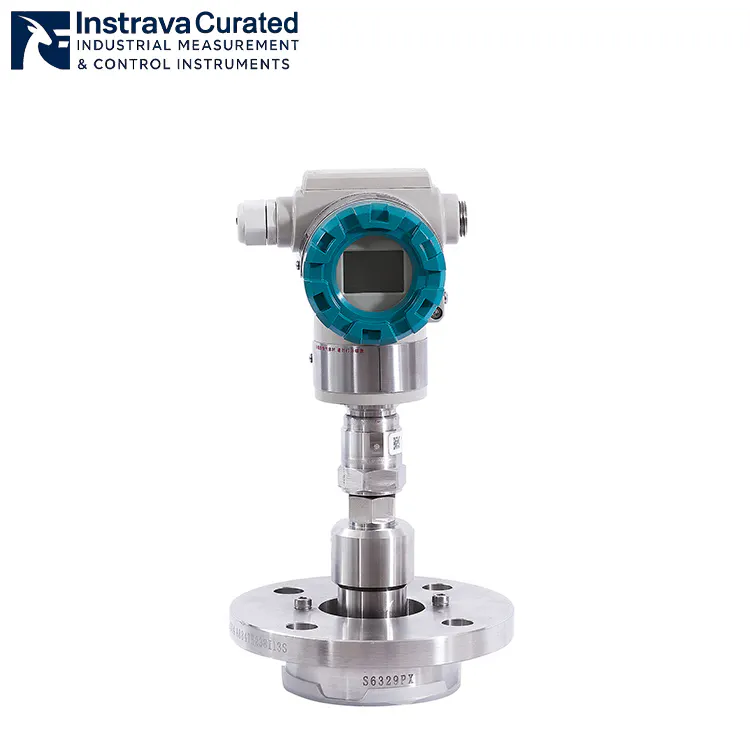

الصفحة الرئيسية » المنتجات » أجهزة الإرسال » جهاز إرسال المستوى الراداري للقياس المستقر في ظروف المعالجة المعقدة
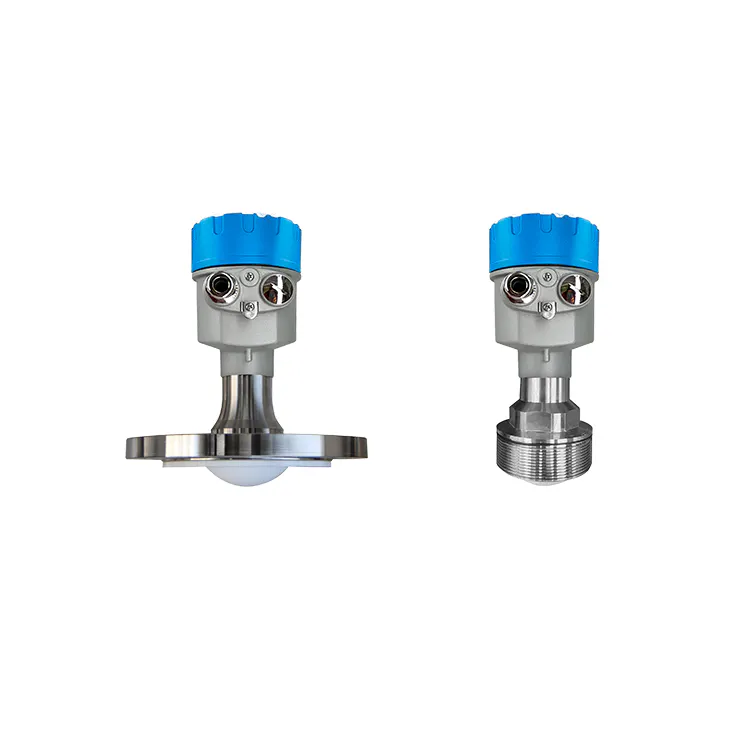
جهاز إرسال المستوى الراداري للقياس المستقر في ظروف المعالجة المعقدة
In many industrial processes, level measurement is affected by high temperature, pressure fluctuations, vapor, dust, foam, and complex tank structures. Conventional contact or ultrasonic sensors may experience unstable signals or frequent maintenance under these conditions.
The INRLT115 radar level transmitter is developed to address these challenges by using non-contact microwave technology, ensuring stable and accurate level measurement even in harsh and variable process environments.


وصف أجهزة الإرسال والاستشعار
Core Measurement Advantage of FMCW Radar Technology
In the INRLT115 radar level transmitter, the measurement core is not based on directly resolving time-of-flight, but on detecting the frequency difference (δf) between the transmitted and received radar signals.
The FMCW measurement logic follows this process:
Frequency difference → Distance → Level
Instead of relying on extremely fine time resolution, the transmitter analyzes the frequency offset generated by the propagation delay of the radar wave. This approach avoids the physical limitations associated with time-based resolution and enables more stable and precise distance calculation.
As a result, FMCW radar technology provides significant advantages in high-accuracy level measurement applications, especially in environments involving long measuring distances, high temperature, pressure fluctuations, vapor, dust, or foam.
This is the fundamental reason why FMCW radar level transmitters are widely adopted for demanding industrial level measurement tasks.
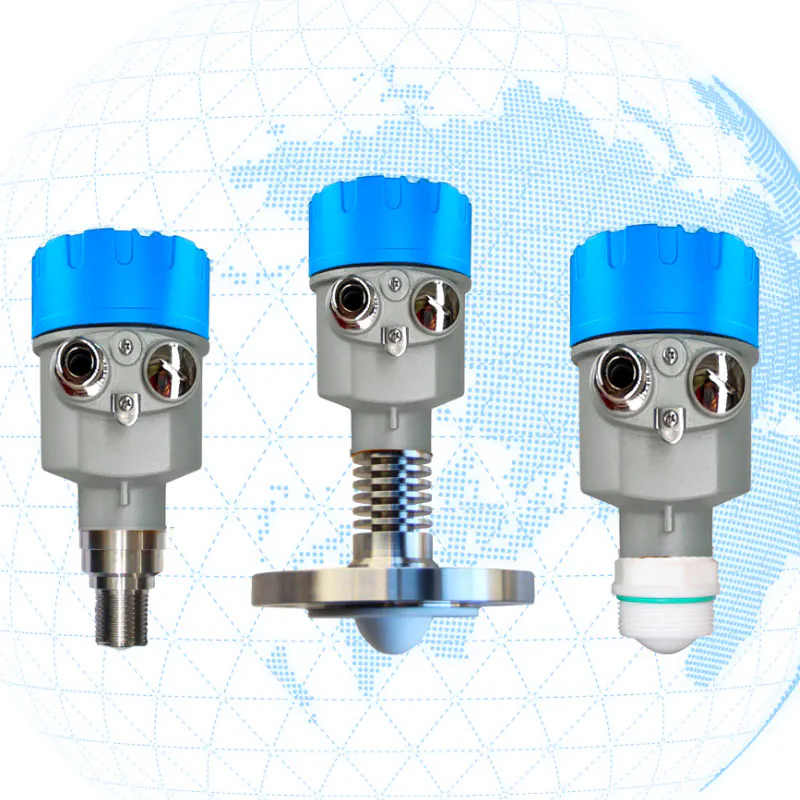
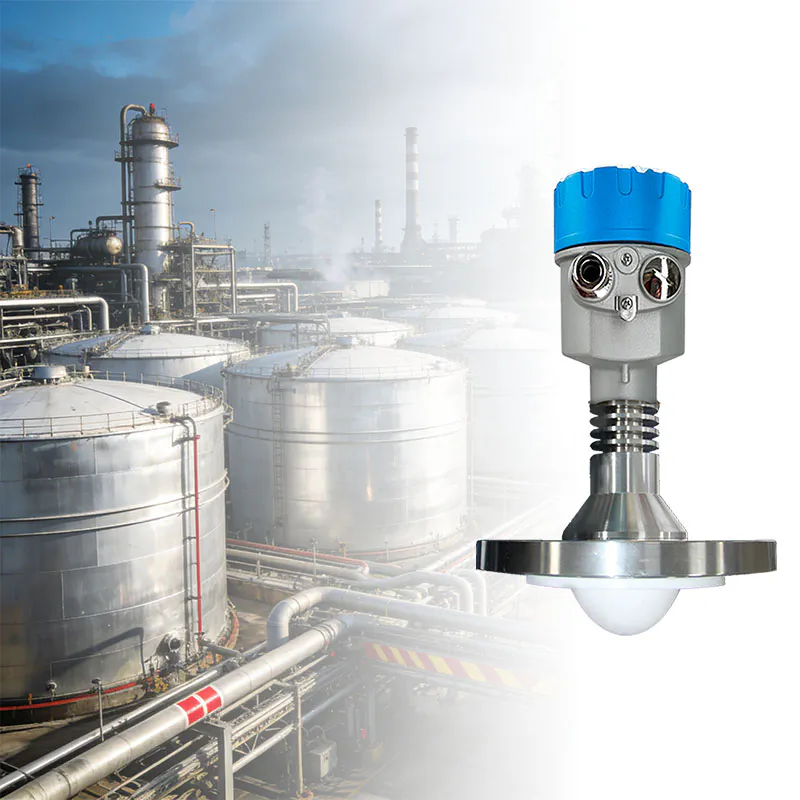
Where Radar Level Measurement Is the Right Choice
The INRLT115 radar level transmitter is particularly suitable for applications where other level technologies reach their limits:
-
High-temperature or high-pressure vessels
-
Tanks with strong vapor or dust formation
-
Foam-covered liquid surfaces
-
Large storage tanks or tall silos
-
Processes requiring continuous, non-contact measurement
معلمة أجهزة الإرسال والاستشعار
الموديل: INRLT115
| البند | المواصفات |
|---|---|
| قياس المتوسط | سائل |
| نطاق القياس | 0.2 m ~ 30 m ;0.3 m ~ 150 m (depending on antenna and application) |
| اتصال العملية | Flange ≥ DN80 ;Thread G3 A |
| درجة حرارة العملية | -40 ~ 120 °C (flange connection) -40 ~ 110 °C (thread connection) |
| ضغط العملية | -0.1 ~ 1.0 MPa |
| Antenna Type | 76 mm lens antenna |
| Antenna Material | PTFE |
| دقة القياس | ±2 mm |
| Launch Angle | 3° |
| فئة الحماية | IP67 |
| مزود الطاقة | Two-wire system: DC 24 V Four-wire system: AC 220 V Six-wire system: DC 12–24 V |
| إخراج الإشارة | Two-wire system: 4–20 mA + HART Four-wire system: 4–20 mA + HART Six-wire system: 4–20 mA + HART |
| مواد الإسكان | ألومنيوم / بلاستيك / فولاذ مقاوم للصدأ |
إنسترافا OEM/ODM
التوريد والتخصيص حسب الطلب: نوفر لك المنتج الذي تحتاجه بالضبط
بصفتنا المورد والشريك الموثوق به في مجال التوريد، فإننا نسد الفجوة بين متطلباتكم المخصصة وقدرات التصنيع الهائلة في الصين.
قد يكون العثور على المنتج المناسب ضمن سلسلة توريد ضخمة أمراً صعباً. وهنا يأتي دورنا.
بصفتنا موردًا متخصصًا في مجال الصناعة، فإن قيمتنا الأساسية بسيطة: نضع أنفسنا في مكانكم لمساعدتكم في الحصول على أفضل المنتجات. سواء كنت المقاول المسؤول عن التصميم والتوريد والبناء (EPC) التي تتطلب امتثالاً تقنياً متخصصاً، و شركة تصنيع المعدات الأصلية (OEM) هل تبحث عن علامة تجارية مخصصة، أو عن موزع/تاجر صناعي سعياً وراء تحقيق ميزة تنافسية، نقوم بتخصيص المنتجات وتصميمها خصيصاً لتلائم احتياجاتكم الشرائية بالضبط.
كيف نخصص خدماتنا لتلائم احتياجاتك في مجال المشتريات
للمقاولين والمهندسين العاملين في مجال EPC: نقوم بتخصيص الأجهزة والمعدات وفقًا لمواصفاتك الفنية الدقيقة — من خلال تكييف وصلات العمليات، واستخدام المواد غير التقليدية، وبروتوكولات الإشارات، وإدارة عمليات المعايرة والاختبار التي تجريها جهات خارجية — حتى تحصل على حلول جاهزة للتطبيق في مشاريعك.
بالنسبة لمصنعي المعدات الأصلية (OEM): نقدم خدمات تخصيص شاملة في مجال تصنيع المعدات الأصلية (OEM) وتصنيع التصميم الأصلي (ODM)، بما في ذلك تصنيع العلب المخصصة، ووضع الملصقات، والعلامات التجارية (العلامات التجارية الخاصة)، والمواصفات الفنية المخصصة لضمان التكامل السلس مع آلاتكم.
للموزعين والتجار الصناعيين: نقدم خيارات تخصيص مرنة في مجالات التغليف ومجموعات المنتجات والمعايير الفنية، مما يساعدك على تمييز محفظة منتجاتك والفوز بمزيد من المناقصات المحلية.
لماذا تتعاون معنا في مجال التوريد حسب الطلب؟
التنسيق الهندسي الشامل: لن تضطر إلى التعامل مع عدة مصانع. فنحن نقوم بترجمة متطلباتك الفنية إلى مخططات تصنيع دقيقة.
ضمان صارم للجودة والامتثال: نحن نشرف على عملية التخصيص والإنتاج بأكملها في الصين، مما يضمن أن المنتج النهائي المخصص يتوافق مع المعايير والشهادات المعمول بها في بلدكم.
قيمتنا الأساسية: نحن لا نكتفي ببيع ما هو معروض على الرفوف فحسب. بل نبحث عن المنتجات ونخصصها ونقوم بتسليمها المنتج الأنسب والأكثر فعالية من حيث التكلفة لتطبيقك الفريد.

Why is the INRLT115 radar level transmitter suitable for high-temperature and high-pressure applications?
The INRLT115 radar level transmitter uses microwave radar technology, which is minimally affected by temperature and pressure changes. Unlike contact or ultrasonic sensors, radar signals remain stable in high-temperature and high-pressure environments, ensuring reliable level measurement.
Can the INRLT115 measure level accurately in tanks with heavy vapor or dust?
Yes. Radar signals are largely unaffected by vapor, dust, or condensation. The INRLT115 radar level transmitter is designed to maintain stable echo detection even in environments with strong vapor formation or dust clouds.
How does the INRLT115 handle foam on the liquid surface?
Foam can absorb or scatter acoustic signals, causing ultrasonic measurement errors. Radar signals, however, penetrate foam more effectively. This allows the INRLT115 to accurately detect the actual liquid surface beneath foam layers in many applications.
Is the INRLT115 suitable for tanks with internal structures or agitators?
Yes. The INRLT115 features advanced signal processing algorithms that filter out false echoes caused by internal structures such as agitators, ladders, or heating coils, allowing accurate level measurement in complex tank geometries.
When should radar level transmitters be preferred over ultrasonic level transmitters?
Radar level transmitters like the INRLT115 should be preferred when applications involve high temperature, high pressure, vapor, foam, dust, or when measurement reliability is critical under changing process conditions.
Can the INRLT115 be used for bulk solid level measurement?
Yes. The INRLT115 radar level transmitter is suitable for both liquid and bulk solid level measurement, especially in silos or bins where dust and uneven material surfaces are present.
لماذا تثق في Instrava؟
نختار الشركات المصنعة من منطلق محايد ونزيه، مع مراعاة مصلحتك دائمًا.
يعتمد وجودنا ذاته على مساعدتكم في العثور على المنتجات التي تناسب احتياجاتكم تمامًا.
ونظرًا لوجود مقرنا في الصين، فإننا قادرون على إجراء عمليات تفتيش ميدانية لبيئات الإنتاج وجودة المنتجات بشكل مباشر.
نحن نساعدك على تجنب الوسطاء الذين يتظاهرون بأنهم مصانع.
نحن نسهل تقديم دعم ما بعد البيع بشكل أكثر سلاسة، مما يزيل مشاكل الفارق الزمني والتأخيرات التي غالبًا ما ترتبط بالتعامل المباشر مع المصانع.
يضمن فريقنا متعدد اللغات التواصل الفعال.
بالنسبة لشركة ناشئة في مجال التداول، يمثل كل تفاعل مع العميل فرصة ثمينة — فهو دليل على استعدادك لوضع ثقتك فينا ومنحنا الفرصة لإثبات جدارتنا.
في العصر الرقمي، ورغم سهولة الوصول إلى المعلومات، غالبًا ما تؤدي المفاهيم الخاطئة إلى إضعاف الثقة بين الناس.
تعتمد «إنسترافا» كليًّا على الثقة؛ فهي فلسفتنا الأساسية وأساس وجودنا في المجتمع. وهي الركيزة الأساسية لنمونا على المدى الطويل والتزامنا بخدمة المجتمع.
نرجو أن تضعوا ثقتكم فينا.