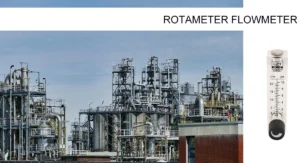
Opening: Why Rotameters Fail More Often Than Expected Rotameters are often perceived as the simplest and most intuitive flow measurement devices. Their transparent construction and direct visual indication give the impression that little can go wrong. Yet in practice, rotameters are involved in a disproportionate number of flow measurement disputes, commissioning delays, and process deviations….
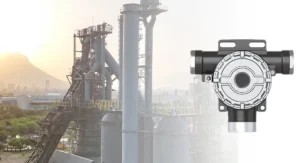
Industrial facilities operate in environments where hazardous gases may be present due to routine processes, equipment failures, or unexpected leaks. Selecting the right gas detection approach is not simply a matter of preference—it directly affects personnel safety, operational continuity, and regulatory compliance. This article compares fixed gas detectors and portable gas detectors from an application-driven…
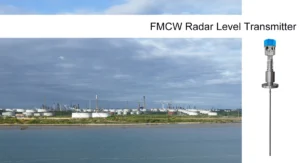
Algorithmic Choices Behind Stable Radar Level Transmitters Introduction: The Question Engineers Rarely Ask In discussions about radar level transmitter performance, FMCW technology is often described as “more accurate” or “higher resolution.” However, these descriptions avoid a deeper and more important question: Why does FMCW radar measure frequency instead of time in the first place? This…
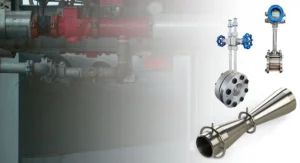
Why Flow Meter Selection Is Rarely About Accuracy In engineering discussions, flow meter selection is often framed as a technical comparison of accuracy, rangeability, or pressure rating. In reality, engineers rarely choose between venturi, orifice, and vortex flow meters based on catalog specifications alone. Actual selection decisions are shaped by constraints: pressure loss budgets, system…
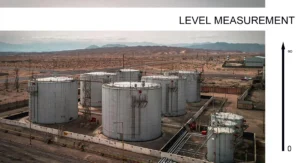
Introduction: Accuracy Is No Longer the Hardest Problem Why Predictable Behavior Matters More Than Accuracy. In safety-critical industrial environments, the discussion around level measurement is often dominated by accuracy. While accuracy remains important, it is rarely the primary reason why radar level transmitter systems fail in real-world operations. The true challenge lies in measurement certainty—the…
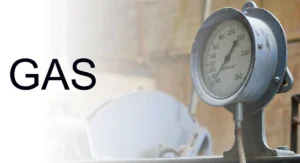
Gas detection systems are a critical component of industrial safety management in environments where flammable, toxic, or oxygen-displacing gases may be present. In sectors such as oil and gas, LNG and LPG storage, chemical processing, and energy production, gas-related incidents can escalate rapidly if hazards are not detected early and managed correctly. This article provides…
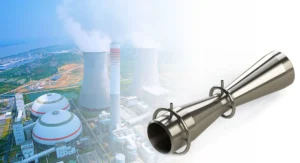
In industrial flow measurement, the venturi flow meter is often selected not because it is new or complex, but because it offers predictable performance under demanding conditions. While many discussions focus on accuracy or standards compliance, real-world applications reveal that venturi flow meters are chosen for reasons that go beyond specifications. Across multiple industries, venturi…

In industrial flow measurement, Venturi tubes, orifice plates, and vortex flow meters are often grouped together because they are commonly used in large-scale processes. However, selecting between them is rarely a matter of accuracy alone. From an engineering perspective, the real differences emerge when considering pressure loss, long-term operating cost, maintenance behavior, and how each…

Home Gas Safety Is About Scenarios, Not Devices Residential gas safety is often discussed in terms of products, but real protection depends on understanding risk scenarios inside the home. Natural gas leaks rarely occur as sudden catastrophic events. They usually begin as small, intermittent releases caused by aging fittings, appliance wear, or pressure fluctuations. Natural…
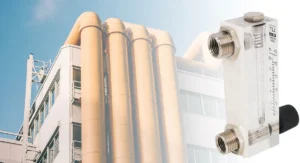
Rotameters are widely used across industrial systems for their simplicity, reliability, and direct visual flow indication. Despite their straightforward design, many performance issues related to rotameters are not caused by the instrument itself—but by how it is selected, applied, and interpreted. Understanding common mistakes when using rotameters helps engineers, operators, and procurement teams avoid unnecessary…