Pengukur Level
Beranda » Instrumen Pengukuran Level
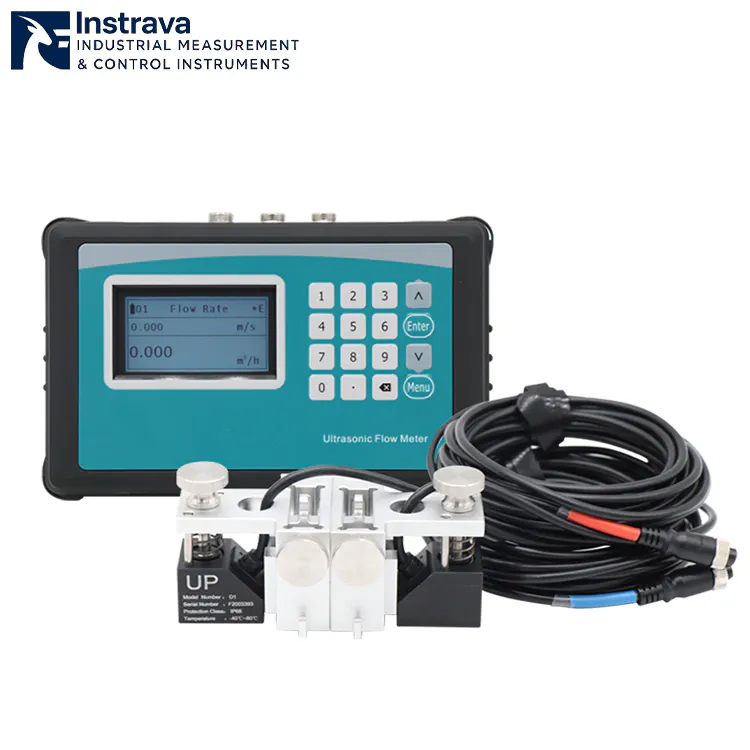
Kisaran Kecepatan Aliran: ± 0,01 m / s ~ ± 12 m / s | Ukuran Pipa: 25mm ~ 1200mm (1 ″ ~ 48 ″)
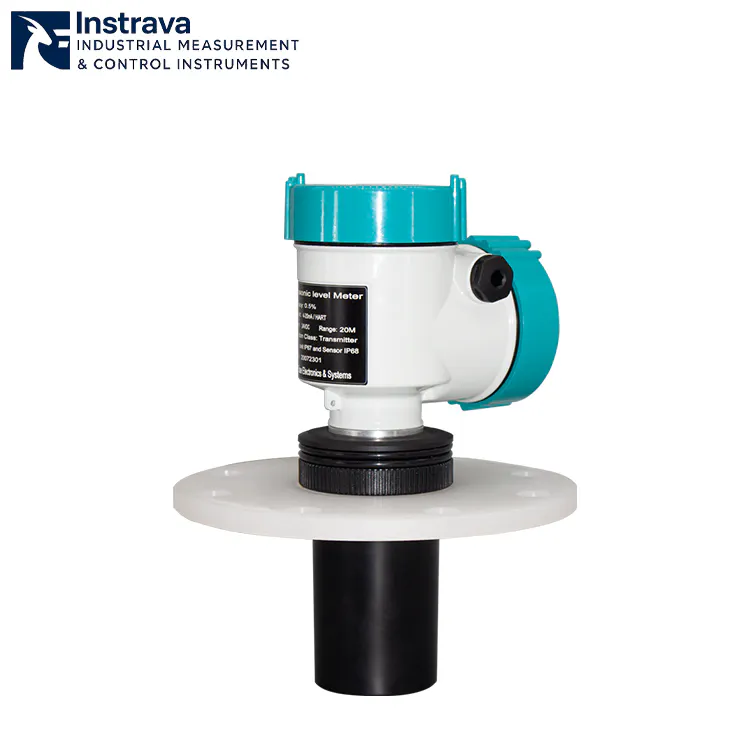
Rentang Pengukuran: 4m / 6m / 8m / 12m / 20m / 30m
Sinyal Keluaran: 4-20mA (2-kawat)
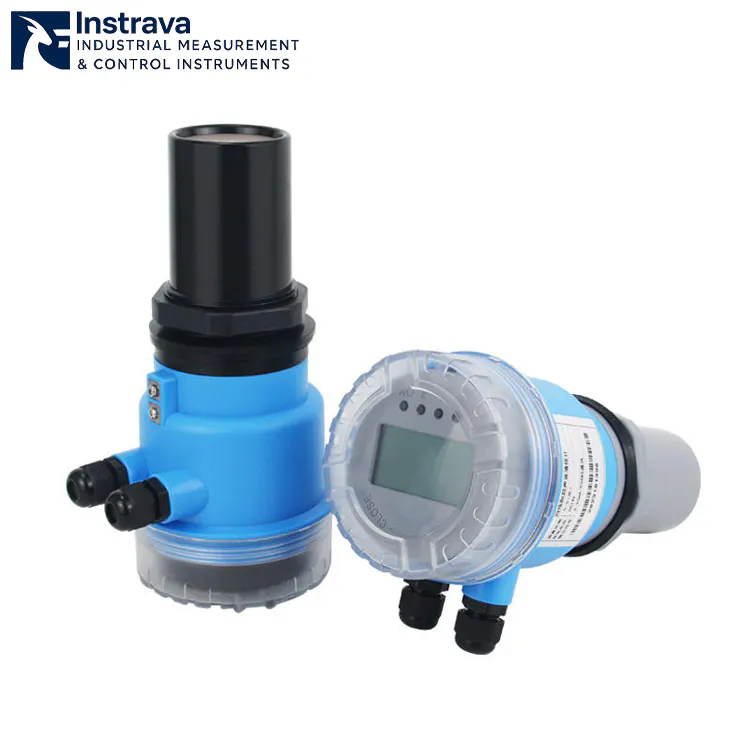
Rentang pengukuran yang luas (0-60m) | Akurasi tinggi (0,5%-1% FS)
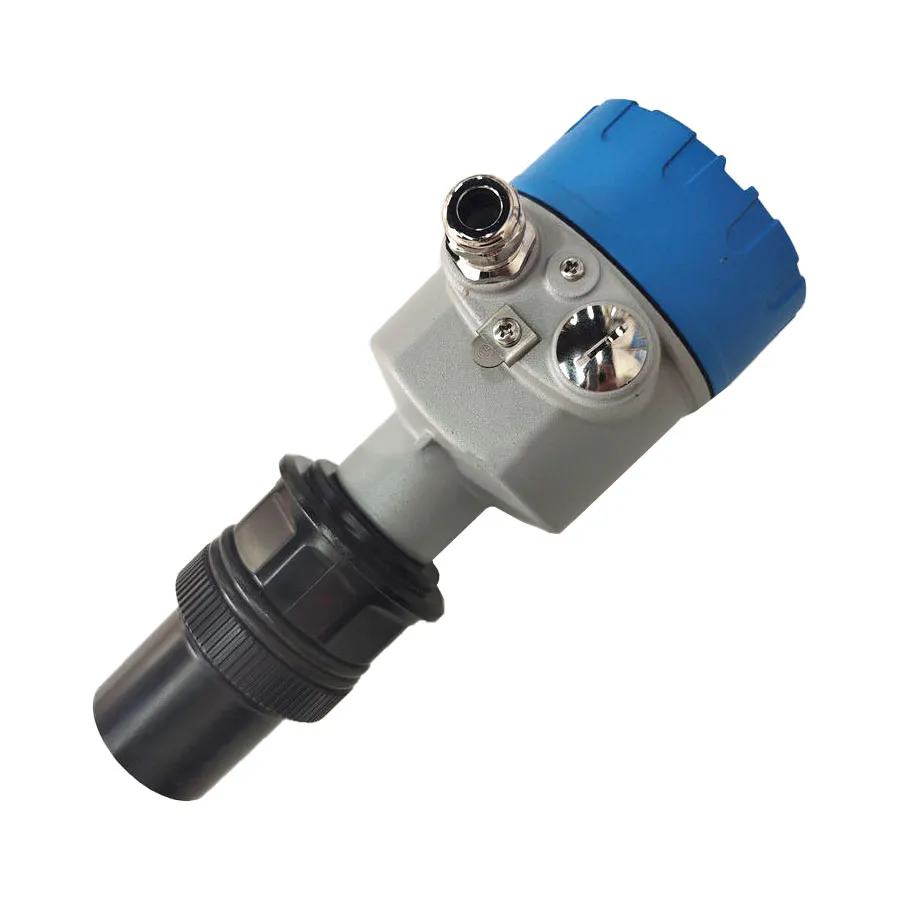
Rentang pengukuran: 0-60m
Tekanan kerja: ATM
Download liquid level gauge product information EN document
The level gauge can be used for level measurement of various industrial media such as water, oil, chemical liquids, corrosive media, high-viscosity liquids and slurries.
Level gauges are critical components in modern industrial automation systems designed to monitor and control the height of liquids, solids, or interfaces within tanks, silos, vessels, and pipelines. These instruments provide real‑time level data that help prevent overflow, dry‑run conditions, and process interruptions — ensuring safety, efficiency, and compliance across various applications.
Di Instrava, kami menawarkan portofolio komprehensif instrumen pengukuran tingkat kinerja tinggi yang dirancang untuk akurasi, daya tahan, dan integrasi tanpa batas ke dalam sistem kontrol industri.
What Is Level Gauge?
A pengukur level (English: Level Gauge / Level Transmitter; Русский: Уровнемер; Español: Medidor de nivel; Français: Jauge de niveau) is an industrial instrument used to measure, monitor, and display the real-time height or volume of liquids, slurries, or granular solids inside a tank, vessel, or silo.
Acting as the “eyes” of industrial automation, it plays a critical role in process control, inventory management, and safety prevention across industries such as chemical processing, oil and gas, water treatment, and power generation.
Depending on the application, level gauges operate on various physical principles—ranging from simple visual indicators (like magnetic flaps) to advanced, non-contact electronic technologies like Radar, Ultrasonik, dan Guided Wave Radar (GWR)—ensuring precise data transmission even under extreme conditions of high pressure, high temperature, or corrosive environments.
Common Types of Level Gauge
Industrial processes vary widely in media, conditions, and accuracy requirements. Below are the most widely used level gauges type:
1. Capacitive Level Gauge
Operates on the principle that the capacitance formed between the measuring probe and the vessel wall (or an auxiliary electrode) changes with the material level. Variations in the medium’s height alter the dielectric constant or the electrode coverage area, which is then converted into standard electrical signals.
✔ Zero Mechanical Wear: Compact structure with no moving parts, ensuring extremely low maintenance costs.
✔ High Pressure Resistance: Capable of operating stably under ultra-high pressure, high vacuum, or high-temperature environments.
✔ Versatile Applications: Highly suitable for measuring conductive/non-conductive liquids, highly corrosive media, and powders or granules.
2. Displacer Level Gauge
Based on Archimedes’ buoyancy principle. A displacer (internal cylinder) suspended from a spring or torque tube is immersed in the liquid. As the liquid level rises, the buoyant force on the displacer increases, reducing its apparent weight. The mechanical structure converts this weight change into a level signal.
✔ High-Precision Measurement: Exceptionally well-suited for measuring the interface between two liquids of different densities.
✔ Extreme Process Conditions: Exhibits excellent stability in large vessels under high temperatures, high pressures, and high vacuums.
✔ Turbulence Resistance: Compared to standard floats, the displacer provides superior suppression against turbulent surfaces or wave action.
3. Electrode Level Gauge (Conductivity Level Switch)
Utilizes the electrical conductivity of liquids to detect levels. When the liquid comes into contact with metal electrode rods of varying lengths, the electrical circuit closes, triggering a switch signal or controlling pump start/stop operations.
✔ Highly Cost-Effective: Simple configuration, making it one of the most economical solutions for level control.
✔ Rapid Response Time: Contact-type switching provides immediate, direct signal triggering.
✔ Ideal Applications: Exclusively designed for multi-point limit alarm and control of conductive liquids such as water, wastewater, acids, and alkalis.
4. Float Level Gauge
Operates on basic buoyancy, where a hollow float containing a magnet or connected to a mechanical link rides directly on the liquid surface. The vertical displacement of the float is converted into a mechanical indication or electrical output via connecting rods, wire ropes, or internal magnetic reed switches.
✔ Simple Structure: Proven, intuitive technology that is easy to install and maintain.
✔ High Cost-Performance: Ideal for continuous measurement in standard storage tanks, sumps, and open basins.
✔ Independent of Medium Properties: Measurement results are unaffected by changes in liquid density, electrical conductivity, or dielectric constants.
5. Glass Level Gauge
Based on the principle of communicating vessels. A robust transparent glass tube or flat plate assembly is connected directly to the side of the vessel. Due to pressure equalization, the liquid rises to an identical height within the glass chamber, allowing direct visual inspection by operators.
✔ Direct & Reliable: Provides 100% authentic local visual verification with zero power required.
✔ Severe Service Duty: Utilizes specialized explosion-proof and high-pressure reinforced glass, making it suitable for high-temperature, high-pressure boilers.
✔ Zero Electronic Failures: Completely immune to electromagnetic interference, signal loss, or electronic component aging.
6. Magnetic Level Gauge
Connected to the primary vessel via a bypass chamber containing an internal float with a built-in magnet. As the liquid level shifts, the float drives the external indicator—composed of red/white (or black/yellow) magnetic rollers—to flip 180°, delivering a high-contrast boundary display.
✔ High Local Visibility: Provides clear, long-distance visual indication of the level without needing an external power supply.
✔ Secure Isolation: Complete magnetic isolation between the measuring chamber and the indicator array ensures “zero leakage” of hazardous process media.
✔ Excellent Extensibility: Can be easily equipped with magnetostrictive sensors or magnetic switches to output synchronous 4-20mA remote transmission signals.
7. Magnetostrictive Level Gauge
The electronic housing emits a current pulse that travels down a waveguide wire, generating a circular magnetic field. When this field meets the magnetic field of the float riding on the liquid, a mechanical strain wave is generated and reflected back to the sensor head. The level is determined with extreme precision by calculating the Time-of-Flight (ToF).
✔ Ultra-High Precision: Accuracy typically reaches millimeter ($mm$) or micrometer ($\mu m$) levels, making it the preferred choice for custody transfer and commercial billing.
✔ Dual Interface Measurement: By utilizing floats with distinct densities, it can simultaneously and precisely measure the total level and the oil-water interface.
✔ Outstanding Stability: Entirely unaffected by variations in temperature, pressure, vapor, mist, or the dielectric constant of the medium.
8. Radar Level Gauge
A non-contact measurement technology. The antenna emits high-frequency microwave pulses (typically 26GHz or 80GHz) toward the material surface. The microwaves reflect off the medium, and the antenna receives the return echo, determining the distance by calculating the wave’s travel time or frequency differential.
✔ Robust Performance: Completely immune to vacuum, high pressure, extreme high temperatures (up to thousands of degrees), and heavy vapors.
✔ Zero-Maintenance Design: The non-contact probe eliminates issues related to corrosion, wear, coating, or scaling.
✔ High Focusing Capability: Modern high-frequency (e.g., 80GHz) radar features an extremely narrow beam angle, easily avoiding internal tank obstructions like agitators or ladders.
9. Ultrasonic Level Gauge
A non-contact measurement technology. The transducer (probe) mounted at the top emits high-frequency acoustic pulses. The sound waves strike the surface of the liquid or solid and reflect back. The probe receives the echo and calculates the level based on the round-trip travel time.
✔ Economic Non-Contact Solution: Offers the most competitive cost-performance ratio among non-contact measurement alternatives.
✔ Effortless Installation: Top-mounted, integrated design allows for plug-and-play deployment and highly intuitive commissioning.
✔ Ideal Applications: Extensively used in open-channel flow monitoring, municipal wastewater management, acid/alkali storage tanks, and atmospheric water applications.
How Level Gauge Work
The Universal Principle: The “Zero-Point” Distance Formula
While different level gauges use completely different physical mechanisms—ranging from mechanical floats to acoustic waves—almost all continuous electronic level gauges (like Radar, Ultrasonic, and Magnetostrictive) calculate the liquid level using a fundamental distance subtraction formula:
Tank Height ($H$): A fixed reference value configured into the gauge during installation (the distance from the sensor face to the bottom of the tank).
Measured Distance ($D$): The real-time distance from the sensor down to the liquid surface, which changes constantly.
How Each Type Works (The Physics Broken Down)
To understand how a specific level gauge works, we look at the exact physics it uses to find either that Distance ($D$) or the direct physical position of the fluid surface.
1. Non-Contact Radar & Ultrasonic (Time-of-Flight Principle)
Both technologies act like industrial “echolocators.”
The Action: A sensor mounted at the top of the tank fires a signal downward. Radar fires high-frequency microwave pulses (at the speed of light), while Ultrasonic fires acoustic sound waves (at the speed of sound).
The Reflection: The wave hits the liquid surface and bounces back up to the sensor.
The Calculation: The gauge’s internal microprocessor records the precise round-trip transit time ($t$). Since the speed of the wave ($v$) is known, it calculates the distance using:
2. Guided Wave Radar – GWR (Contact Microwave Guidance)
GWR functions similarly to standard radar, but with a physical guide.
The Action: Instead of broadcasting microwaves through the open air, GWR launches the pulse down a rigid metal rod or flexible cable probe immersed in the liquid.
The Reflection: When the pulse hits the boundary between the upper air/gas layer and the lower liquid, it encounters a sudden drop in the dielectric constant ($\varepsilon_r$). This electrical mismatch forces the microwave pulse to reflect straight back up the probe to the transmitter head, which measures the Time-of-Flight.
3. Magnetostrictive (Wiegand Effect & Magnetic Interaction)
This is one of the most precise methods for commercial and custody transfer applications.
The Action: The sensor head sends a high-speed electrical current pulse down a specialized ferromagnetic waveguide wire inside the probe tube. This current creates a temporary circular magnetic field around the wire.
The Intersection: A permanent magnetic float rides up and down the tube on top of the liquid. Where the circular magnetic field meets the float’s magnetic field, a physical distortional strain (a torsional wave) is instantly triggered in the wire (known as the Wiegand effect).
The Calculation: This mechanical wave travels back up the wire to the sensor head at a known speed of sound. The sensor calculates exactly where the float is located based on how long it took for the wave to arrive.
4. Magnetic Level Gauge (Bypass Magnetic Coupling)
A purely mechanical, highly visible method that requires zero electrical power.
The Action: A bypass chamber is mounted to the side of the tank. Because of the law of communicating vessels, the liquid inside the chamber always mirrors the level inside the main tank.
The Coupling: Inside the chamber, a sealed float containing strong permanent magnets rides the liquid surface. Outside the chamber, an airtight scale of interlocking, dual-colored magnetic rollers (usually red and white) is attached.
The Visual: As the float moves, its internal magnetic field reaches through the stainless steel chamber wall and physically flips the rollers 180°. The color boundary shifts instantly, creating a clear visual line.
5. Hydrostatic / Differential Pressure (Weight of the Liquid Column)
This method relies entirely on fluid mechanics.
The Action: A pressure sensor is placed at the very bottom of the tank. It detects the force exerted by the weight of the liquid directly above it.
The Calculation: The sensor calculates the height ($h$) using the standard hydrostatic equation:
(Where $P$ is pressure, $\rho$ is the known density of the fluid, and $g$ is gravity).
Catatan: For closed, pressurized tanks, a Differential Pressure (DP) transmitter is used. It measures both the bottom pressure and the top gas pressure, subtracting the top pressure so it only calculates the true weight of the liquid column.
6. Capacitive (The Liquid as an Electrical Component)
The Action: An insulated metal rod probe is inserted into the tank, acting as one plate of a giant electrical capacitor. The metal walls of the tank act as the second plate.
The Shift: Air has a dielectric constant ($\varepsilon_r$) of roughly 1, while process liquids have much higher values (e.g., water is $\approx 80$). As the liquid rises and displaces the air between the probe and the wall, the overall electrical capacitance increases proportionally. The transmitter detects this change in capacitance and scales it to a 0–100% level reading.
Industrial Applications of Level Gauge
Level gauges are indispensable across nearly every process industry. By providing precise data to distributed control systems (DCS), they prevent catastrophic overflows, protect expensive equipment, and ensure accurate inventory tracking.
The primary industrial sectors where level gauges are heavily deployed include:
1. Oil & Gas (Petrochemicals)
The oil and gas industry requires high-precision instruments capable of handling explosive vapors, toxic gases, and extreme pressures.
Aplikasi: Oil-water interface measurement in separators, custody transfer tracking in large crude storage tanks, and monitoring liquefied natural gas (LNG) at cryogenic temperatures.
Preferred Gauges: Magnetostrictive Level Gauges (for high-accuracy dual interface tracking), Pengukur Tingkat Radar (80GHz non-contact for large tanks), and Displacer Level Gauges (for heavy-duty high-pressure separators).
2. Pengolahan Kimia
Chemical plants handle aggressive, highly corrosive, and flammable fluids that can rapidly degrade standard mechanical instrumentation.
Aplikasi: Bulk storage of highly concentrated acids (like sulfuric or hydrochloric acid), alkali mixing tanks, and high-temperature chemical reactors.
Preferred Gauges: Non-Contact Radar (with PTFE-coated horn antennas to resist corrosion) and Magnetic Level Gauges (utilizing specialized plastic or exotic metal linings like Hastelloy for zero-leakage local display).
3. Power Generation & Energy
Power plants rely heavily on steam cycles, requiring level measurement under severe high-temperature and high-pressure (HP) conditions.
Aplikasi: Boiler steam drum level control, feedwater heater tracking, condenser hotwells, and oil level monitoring in massive power transformers.
Preferred Gauges: Glass Level Gauges (high-pressure reflex or transparent plates for direct steam boiler verification), Guided Wave Radar (GWR) (with dynamic vapor compensation to adjust for dense steam), and Differential Pressure (DP) Transmitters.
4. Water & Wastewater Treatment
Water treatment facilities require rugged, cost-effective, and low-maintenance solutions capable of handling open-air environments and dirty, debris-filled fluids.
Aplikasi: Sewage wet wells, clarifier tanks, chemical dosing skids (alum, chlorine), and open-channel flow monitoring (weirs/flumes).
Preferred Gauges: Ultrasonic Level Gauges (the primary economic choice for open-air basins), Float Level Gauges/Switches (for pump control and overflow prevention), and Electrode Level Gauges (for simple multi-point limit alarms in clean water tanks).
5. Food, Beverage & Pharmaceuticals
Sanitation is paramount in these sectors. Instruments must comply with strict hygienic standards (like 3A or EHEDG) to prevent bacterial growth and survive Clean-In-Place (CIP) or Sterilize-In-Place (SIP) washdown cycles.
Aplikasi: Dairy storage silos, fermentation vessels, beer brewing tanks, and pure water purification loops.
Preferred Gauges: Capacitive Level Gauges (hygienic flush-mount designs), Non-Contact Radar (with stainless steel housings and sanitary tri-clamp fittings), and Hydrostatic Pressure Sensors (hygienic diaphragm type).
How to Choose the Right Level gauge
Selecting the right level gauge is about matching your specific process conditions with the physical limits of the measurement technology. There is no single “perfect” level gauge—only the right gauge for your specific application.
To make the right choice, engineers follow a systematic 4-step selection process.
The 4-Step Selection Process
Step 1: Characterize the Medium
The physical and chemical properties of what you are measuring eliminate half of your options immediately.
State: Is it a clean liquid, slurry, paste, or bulk solid (powders/granules)? Ultrasonic struggles with heavy dust solids; Radar or Capacitive handles them better.
Corrosivity: Will it eat through stainless steel? Aggressive chemicals require non-contact radar or magnetic gauges with PTFE/PP linings.
Electrical Properties: For Radar and GWR, check the Dielectric Constant ($\varepsilon_r$). Low $\varepsilon_r$ fluids (like oils or solvents) reflect weak radar signals. For Electrode gauges, the liquid must be conductive.
Step 2: Define Process Conditions
Exceeding a gauge’s operating limits leads to immediate instrument failure or unsafe leakage.
Suhu & Tekanan: High-pressure boilers or cryogenic tanks require heavy-duty mechanical options (Glass/Magnetic gauges) or high-frequency Non-Contact Radar.
Vapor & Foam: Heavy steam or surface foam dampens acoustic waves (Ultrasonic) and open-air microwaves (Radar). Guided Wave Radar (GWR) or Hydrostatic DP transmitters are much more stable here.
Step 3: Assess Tank Geometry & Installation
Where and how the gauge mounts dictates the mechanical form factor.
Internal Obstructions: Does the tank have agitator blades, heating coils, or structural baffles? Standard radar beams might bounce off them. Use a narrow 80GHz radar or a GWR probe inside a bypass chamber.
Mounting Connections: Check the top or side nozzle size and rating (e.g., Flanged or Threaded Tri-clamp). Side connections require Magnetic or Glass gauges; top connections favor Radar, Ultrasonic, or Floats.
Step 4: Determine Function & Budget
Indication vs. Control: Do you just need a local operator to see the level (Magnetic/Glass), or do you need a continuous signal (4-20mA, HART, Modbus) sent to a DCS/PLC?
Persyaratan Akurasi: Is this for rough inventory monitoring ($\pm 10\text{ mm}$ is fine) or high-value custody transfer commercial billing where millimeter ($\pm 1\text{ mm}$) accuracy is mandatory? For custody transfer, choose Magnetostrictive or high-precision Radar.
Technology Selection Matrix
Use this quick-reference table to cross-match your dominant process challenge with the ideal technology:
| If your process has… | Best Technology Choice | Why it works | What to Avoid |
| Heavy Surface Foam | Guided Wave Radar (GWR) / Hydrostatic | Traverses through foam to find the true liquid layer | Non-Contact Radar / Ultrasonic (signals get absorbed) |
| Aggressive Acids ($HCl, H_2SO_4$) | Non-Contact Radar (PTFE) / Magnetic (Plastic Lined) | No metal contact with the corrosive fluid | Standard metallic floats or bare probes |
| Internal Agitators / Obstacles | 80GHz Radar / Magnetic Bypass | Narrow beam avoids obstacles; bypass isolates the measurement | Wide-beam Radar or loose float switches |
| Vapor / Heavy Steam Layers | Hydrostatic DP / GWR with Vapor Comp | Pressure and guided probes are unaffected by ambient gas | Ultrasonic (speed of sound changes with gas density) |
| High Accuracy Custody Transfer | Magnetostrictive / 80GHz Radar | Provides millimeter-level repeatability | Hydrostatic DP (affected by temperature/density shifts) |
| Zero Power / Remote Fields | Magnetic Level Gauge / Glass Gauge | Relies entirely on mechanical buoyancy and optics | All electronic transmitters |
Kiat Pro: When dealing with sticky, coating-prone fluids (like wastewater sludge or resins), always lean toward non-contact technologies (Ultrasonic or Radar). Contact probes will inevitably suffer from product buildup, causing the sensor to output false high-level readings.
Level Gauge Knowledge Hub
Halaman ini memberikan gambaran umum yang terstruktur dan berfokus pada pengukuran tingkat industri. Hal ini dirancang untuk mendukung keputusan pemilihan, aplikasi, dan desain sistem, bukan definisi dasar. Kontennya mencerminkan kondisi proses nyata dan pertimbangan operasional jangka panjang.
1. Peran Pengukuran Level dalam Sistem Industri
Pengukuran level adalah komponen inti dari keamanan proses, kontrol, dan manajemen inventaris. Di lingkungan industri, informasi level jarang digunakan secara terpisah. Alat ini mendukung interlock, alarm, kontrol batch, dan keseimbangan material. Nilai perangkat pengukuran level tidak hanya terletak pada keakuratan, tetapi juga pada stabilitas, ketersediaan, dan kompatibilitasnya dengan sistem secara keseluruhan.
Tujuan utama dari sistem pengukuran level meliputi:
Mencegah kondisi pengisian yang berlebihan atau kondisi kering
Menjaga kesinambungan dan keseimbangan proses
Mendukung fungsi terkait keselamatan
Menyediakan data yang dapat diandalkan untuk otomatisasi dan pengoptimalan
2. Pengukur Level, Sensor Level, dan Pemancar Level - Peran Sistem
Perangkat pengukuran level yang berbeda memiliki peran yang berbeda dalam suatu sistem:
Pengukur level memberikan indikasi visual lokal untuk operator dan personel pemeliharaan.
Sensor level mengubah perubahan level menjadi sinyal listrik untuk keperluan kontrol atau alarm.
Pemancar level memberikan output standar untuk integrasi dengan sistem PLC, DCS, atau SCADA.
Dalam banyak aplikasi, perangkat ini digunakan bersama-sama untuk memberikan redundansi, verifikasi silang, dan fleksibilitas operasional. Memilih kombinasi yang tepat sering kali lebih penting daripada memilih satu jenis perangkat.
3. Faktor Pemilihan Utama untuk Perangkat Pengukuran Level
Pemilihan yang efektif dimulai dari kondisi proses, bukan jenis produk. Faktor-faktor kritis meliputi:
Sifat media proses seperti kepadatan, viskositas, korosifitas, pembusaan, atau kandungan padatan
Rentang tekanan dan suhu pengoperasian
Kendala geometri kapal dan pemasangan
Waktu respons dan stabilitas sinyal yang diperlukan
Akses pemeliharaan dan pertimbangan biaya siklus hidup
Sensor level yang berkinerja baik dalam kondisi laboratorium dapat berperilaku sangat berbeda dalam lingkungan industri yang sebenarnya. Pemilihan harus memprioritaskan keandalan dalam kondisi operasi yang sebenarnya.
4. Tantangan Pengukuran Berorientasi Aplikasi
4.1 Kapal Bertekanan Tinggi dan Bersuhu Tinggi
Dalam aplikasi bertekanan atau bersuhu tinggi, integritas mekanis dan keandalan penyegelan menjadi sangat penting. Pengukur level dan sensor level harus mempertahankan performa tanpa degradasi material atau penyimpangan sinyal dari waktu ke waktu.
4.2 Media dengan Busa, Pelapis, atau Padatan
Cairan berbusa, media yang lengket, atau padatan tersuspensi dapat mengganggu pengukuran level. Prinsip pengukuran tertentu dapat menoleransi kondisi ini lebih baik daripada yang lain. Pencocokan yang tepat antara teknologi dan bahan yang dibasahi akan mengurangi pembacaan yang salah dan frekuensi perawatan.
4.3 Kondisi Proses Dinamis
Pengisian, pengosongan, atau agitasi yang cepat akan menimbulkan turbulensi yang dapat mendistorsi pembacaan level. Posisi pemasangan dan karakteristik redaman sensor level memainkan peran kunci dalam mencapai pengukuran yang stabil.
5. Pertimbangan Instalasi dan Integrasi Sistem
Kualitas instalasi secara langsung memengaruhi performa pengukuran level. Aspek-aspek penting meliputi:
Lokasi nosel relatif terhadap saluran masuk, saluran keluar, dan pengaduk
Penyelarasan vertikal dan kekakuan pemasangan
Pengardean listrik dan pelindung sinyal
Integrasi dengan sistem kontrol dan logika alarm
Instalasi yang dirancang dengan baik sering kali meningkatkan keandalan pengukuran lebih dari sekadar peningkatan tambahan dalam akurasi sensor.
6. Strategi Keandalan, Redundansi, dan Keamanan
Dalam aplikasi yang berhubungan dengan keselamatan, pengukuran level jarang bergantung pada satu perangkat. Strategi yang umum meliputi:
Menggabungkan pengukur level lokal dengan sensor level independen
Menggunakan perangkat terpisah untuk kontrol dan alarm tingkat tinggi
Menerapkan deteksi kesalahan dan validasi sinyal dalam sistem kontrol
Pendekatan ini mengurangi risiko kegagalan yang tidak terdeteksi dan mendukung pengoperasian yang aman dalam kondisi abnormal.
7. Biaya Pemeliharaan, Kalibrasi, dan Siklus Hidup
Biaya siklus hidup dipengaruhi oleh lebih dari sekadar harga pembelian. Kontributor utama meliputi:
Frekuensi dan aksesibilitas kalibrasi
Persyaratan pembersihan atau inspeksi
Ketersediaan suku cadang
Waktu henti selama kegiatan pemeliharaan
Memilih perangkat pengukuran level dengan kebutuhan perawatan yang rendah dapat secara signifikan mengurangi total biaya kepemilikan selama siklus hidup sistem.
8. Praktik Pengukuran Tingkat Khusus Industri
Praktik pengukuran level berbeda-beda menurut industri:
Industri proses memprioritaskan ketahanan dan stabilitas jangka panjang
Aplikasi air dan air limbah menekankan pada ketahanan korosi dan kemudahan perawatan
Aplikasi minyak dan gas sering kali memerlukan kepatuhan terhadap standar area berbahaya
Memahami ekspektasi spesifik industri membantu menyelaraskan strategi pengukuran dengan realitas operasional.
9. Kesalahan Umum Tingkat Sistem dalam Pengukuran Tingkat
Masalah yang sering ditemui dalam proyek pengukuran level meliputi:
Memilih perangkat hanya berdasarkan spesifikasi akurasi
Mengabaikan kendala pemasangan selama desain
Meremehkan dampak variasi proses
Mengandalkan satu titik pengukuran untuk fungsi-fungsi yang sangat penting bagi keselamatan
Menghindari kesalahan-kesalahan ini membutuhkan perspektif tingkat sistem daripada pendekatan yang berpusat pada produk.
10. Membangun Strategi Pengukuran Tingkat yang Kuat
Strategi pengukuran level yang kuat mempertimbangkan pemilihan perangkat, pemasangan, integrasi, dan pemeliharaan sebagai satu kesatuan sistem. Dengan berfokus pada kinerja jangka panjang dan konteks operasional, pengukur level dan sensor level dapat memberikan nilai yang konsisten selama masa pakai pabrik.
Struktur pengetahuan ini dimaksudkan untuk mendukung pengambilan keputusan yang tepat dan peningkatan berkelanjutan dalam sistem pengukuran tingkat industri.
Pengukur Level-FAQ
Bagaimana sebaiknya pengukur level dipilih untuk operasi industri jangka panjang?
Pemilihan pengukur level harus didasarkan pada kondisi pengoperasian seperti tekanan, suhu, sifat medium, dan kendala pemasangan. Untuk operasi berkelanjutan, stabilitas dan ketahanan terhadap variasi proses sering kali lebih penting daripada akurasi laboratorium. Dalam banyak sistem industri, pengukur level juga berfungsi sebagai sensor level untuk keperluan kontrol atau alarm, sehingga keandalan sinyal dari waktu ke waktu merupakan faktor yang sangat penting.
Faktor apa yang paling sering memengaruhi akurasi pengukuran level dalam aplikasi nyata?
Dalam lingkungan proses yang sebenarnya, akurasi dipengaruhi oleh perubahan kepadatan sedang, fluktuasi suhu, getaran mekanis, dan penumpukan pada bagian yang dibasahi. Tidak seperti kondisi pengujian yang ideal, pengukur level industri harus mentoleransi faktor-faktor ini sambil mempertahankan output yang dapat diulang. Memilih sensor level yang dirancang untuk kondisi proses aktual secara signifikan mengurangi deviasi jangka panjang.
Bagaimana pengaruh posisi pemasangan terhadap kinerja pengukur level?
Posisi pemasangan secara langsung memengaruhi keandalan pengukuran. Orientasi nosel, geometri bejana, dan kedekatan dengan saluran masuk atau pengaduk dapat menimbulkan turbulensi atau pembacaan yang salah. Pemosisian yang tepat memastikan bahwa pengukur level atau sensor level mencerminkan level cairan yang sebenarnya, bukan gangguan lokal di dalam bejana.
Kapan sebaiknya pengukur level lokal dikombinasikan dengan pemancar level atau sensor level?
Pengukur level lokal memberikan konfirmasi visual dan sering digunakan untuk pemeriksaan rutin, sedangkan sensor atau pemancar level memungkinkan pemantauan dan kontrol jarak jauh. Dalam banyak aplikasi, menggabungkan keduanya akan meningkatkan keamanan operasional dengan menawarkan redundansi dan verifikasi silang antara indikasi visual dan output sinyal elektronik.
Bagaimana pengaruh properti media proses terhadap pemilihan pengukur level dan sensor level?
Sifat media seperti viskositas, sifat korosif, kecenderungan berbusa, dan keberadaan padatan memainkan peran utama dalam pemilihan. Pengukur level tertentu bekerja dengan baik dengan cairan bersih tetapi mungkin mengalami kesulitan dengan media yang lengket atau kasar. Mencocokkan desain sensor level dan bahan yang dibasahi dengan media membantu mencegah penyimpangan pengukuran dan kegagalan mekanis.
Apa saja tantangan umum saat menggunakan pengukur level dalam bejana bertekanan tinggi atau bersuhu tinggi?
Kondisi tekanan tinggi dan suhu tinggi memberikan tekanan tambahan pada segel, material, dan komponen pengukuran. Dalam kondisi ini, pengukur level harus menjaga integritas mekanis sementara sensor level tetap stabil dan responsif. Memilih desain yang dinilai untuk amplop operasi penuh sangat penting untuk pengukuran yang aman dan andal.
Bagaimana keandalan dievaluasi untuk pengukur level yang digunakan dalam aplikasi yang terkait dengan keselamatan?
Keandalan dievaluasi berdasarkan stabilitas jangka panjang, ketahanan terhadap gangguan proses, dan konsistensi output dalam berbagai kondisi. Dalam aplikasi yang terkait dengan keselamatan, pengukur level sering kali digunakan bersama sensor level independen untuk memberikan perlindungan berlapis dan mengurangi risiko deviasi level yang tidak terdeteksi.
Pertimbangan pemeliharaan apa yang memengaruhi biaya siklus hidup pengukur level?
Frekuensi pemeliharaan, aksesibilitas, dan persyaratan kalibrasi ulang secara langsung memengaruhi biaya siklus hidup. Pengukur level yang memerlukan pembersihan atau penyesuaian yang sering mungkin terlihat hemat biaya pada awalnya, tetapi meningkatkan waktu henti dan upaya pemeliharaan. Memilih sensor level dengan persyaratan perawatan yang rendah akan meningkatkan efisiensi sistem secara keseluruhan.
Dapatkah satu desain pengukur level mencakup beberapa konfigurasi tangki atau bejana?
Meskipun beberapa pengukur level menawarkan opsi pemasangan yang fleksibel, performa optimal biasanya dicapai ketika desain disesuaikan dengan jenis bejana. Tangki vertikal, bejana horizontal, dan wadah bertekanan masing-masing memiliki tantangan pengukuran yang berbeda, sehingga pemilihan aplikasi khusus menjadi pertimbangan penting.
Bagaimana pengukur level dan sensor level mendukung kontrol dan pengoptimalan proses?
Selain indikasi, pengukur level dan sensor level memberikan masukan penting untuk manajemen inventaris, kontrol proses, dan sistem alarm. Data level yang stabil dan akurat membantu operator menjaga keseimbangan proses, mencegah kondisi overfill atau dry-run, dan meningkatkan efisiensi operasional secara keseluruhan.
Mengapa Mempercayai Instrava?
Kami memilih produsen dari sudut pandang yang netral dan tidak memihak, dengan selalu mengutamakan kepentingan terbaik Anda.
Keberadaan kami bergantung pada upaya kami dalam membantu Anda menemukan produk yang paling sesuai dengan kebutuhan Anda.
Berbasis di Tiongkok, kami dapat melakukan inspeksi langsung di lokasi terhadap lingkungan produksi dan kualitas produk.
Kami membantu Anda menghindari perantara yang menyamar sebagai pabrik.
Kami memudahkan layanan purna jual yang lebih lancar, sehingga menghilangkan kendala perbedaan zona waktu dan keterlambatan yang sering terjadi saat berurusan langsung dengan pabrik.
Tim multibahasa kami memastikan komunikasi yang efektif.
Bagi sebuah perusahaan rintisan di bidang perdagangan, setiap interaksi dengan klien merupakan kesempatan yang berharga—sebagai tanda bahwa Anda bersedia mempercayai kami dan memberi kami kesempatan untuk membuktikan diri.
Di era digital, meskipun informasi mudah diakses, kesalahpahaman sering kali mengaburkan rasa saling percaya di antara sesama manusia.
Instrava sepenuhnya bertumpu pada kepercayaan; hal ini merupakan filosofi inti kami dan landasan keberadaan kami di masyarakat. Inilah landasan utama bagi pertumbuhan jangka panjang kami serta komitmen kami untuk melayani masyarakat.
Mohon percayalah kepada kami.