Home » Products » Level Measuring Instruments » Magnetic Level Sensor-Oil Gas Storage Tank


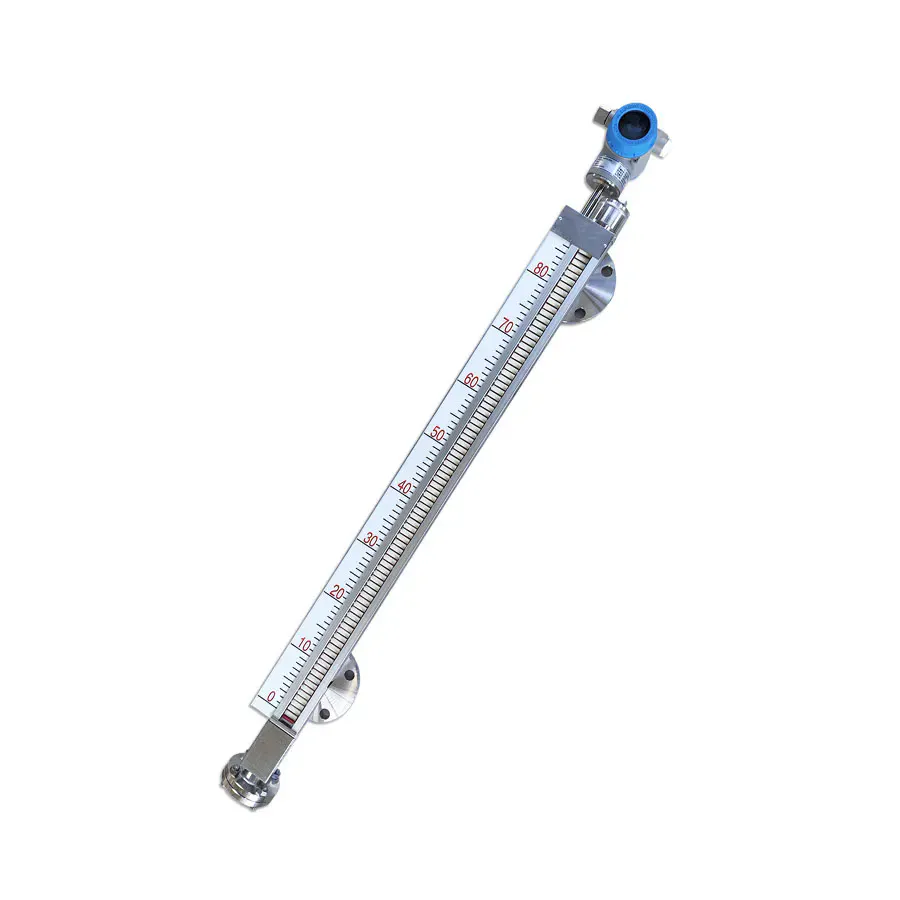
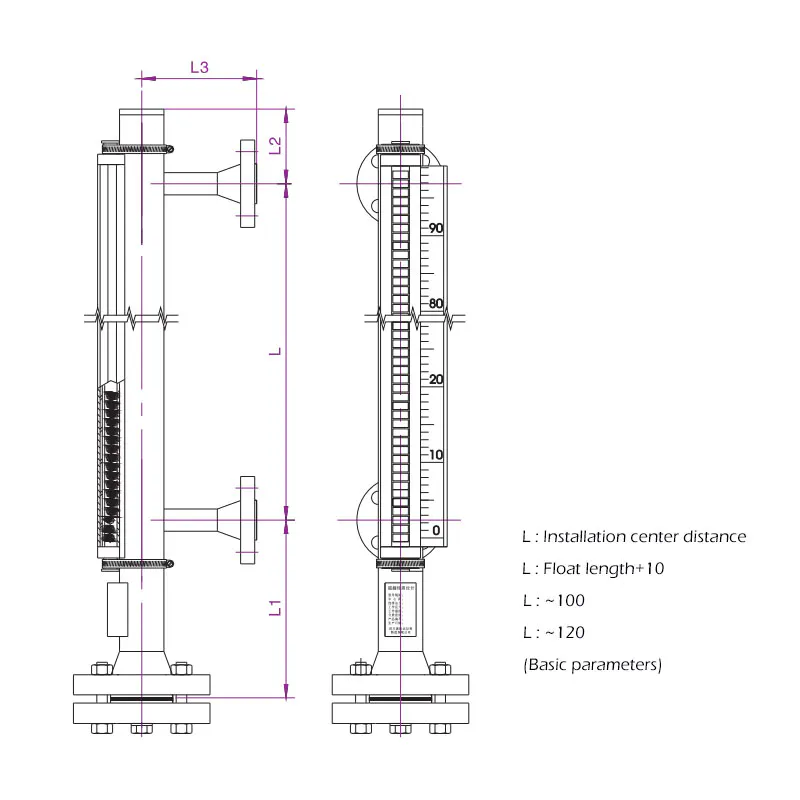
Magnetic level gauge is a robust and reliable solution for continuous liquid level measurement in safety-critical and process control applications. Designed for harsh industrial environments, it provides clear visual indication and stable signal output without being affected by the physical or chemical properties of the medium, such as conductivity, dielectric constant, foam, or vapor.
Based on a proven magnetic coupling principle, the magnetic level gauge ensures accurate level monitoring for corrosive, toxic, flammable, or high-temperature liquids. It supports both single-phase level measurement and interface measurement of two liquids with different densities, making it suitable for complex industrial processes.
As a long-term partner in industrial measurement and control, Instrava supplies magnetic level gauges as part of complete level measurement solutions. By combining reliable products, flexible OEM / ODM capabilities, and close technical collaboration, we help customers improve process safety, operational efficiency, and system reliability. Instrava works closely with customers and OEM partners to deliver long-lasting magnetic level solutions tailored to real operating conditions.
What is a magnetic level gauge and why is it preferred in industrial applications?
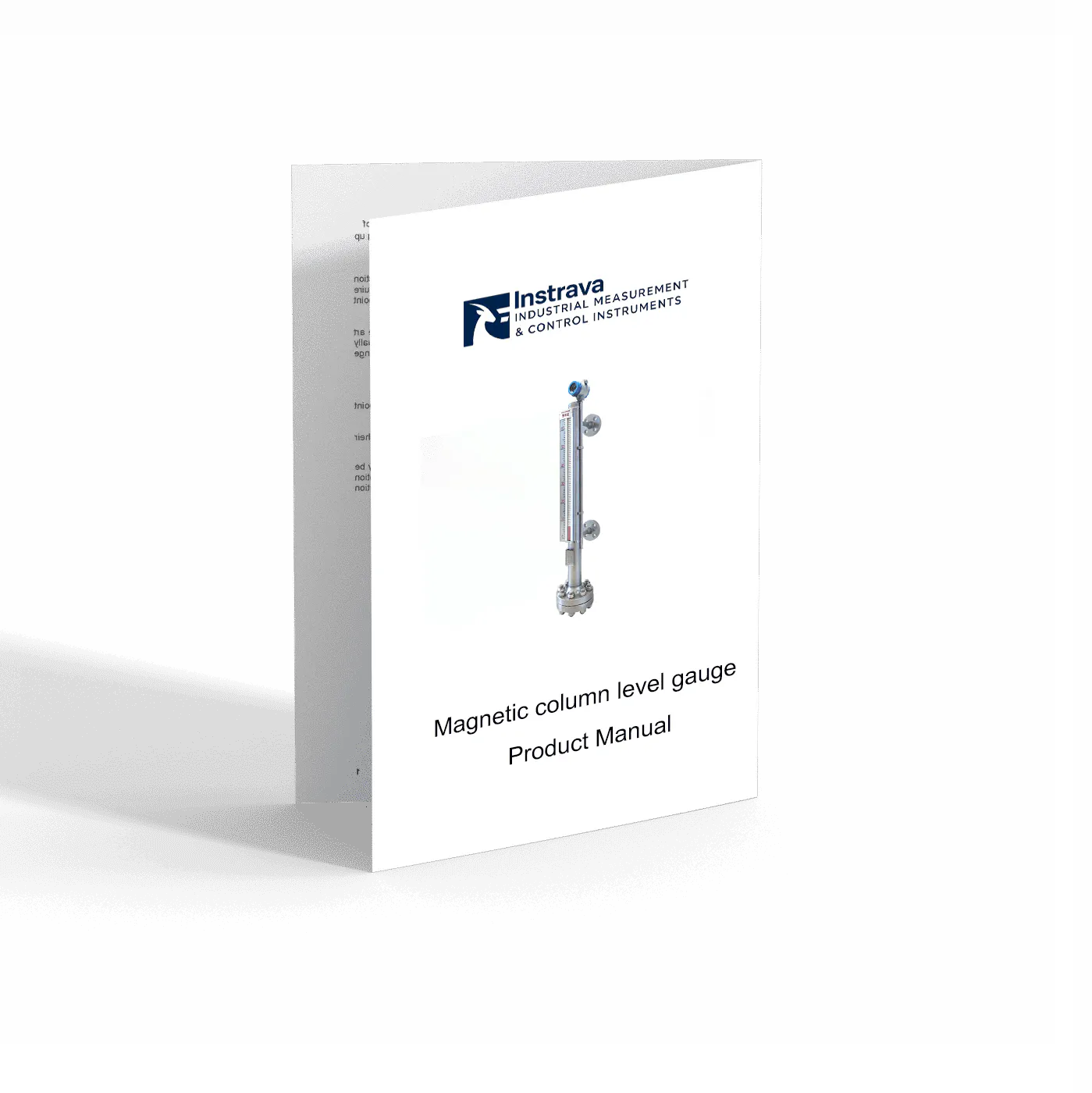
A magnetic level gauge is a robust, non-contact level measurement device that uses a float with a magnetic core to indicate liquid levels inside a chamber. The magnetic field actuates an external visual indicator or transmitter, providing accurate, safe, and reliable readings.
Manufacturer advantages:
No direct contact with the measured medium, reducing corrosion and maintenance
Accurate readings under high pressure (up to 40 MPa) and temperature (up to 400°C)
Suitable for hazardous, corrosive, or viscous fluids
Long service life with minimal downtime
Why are magnetic level gauges ideal for oil, chemical, and pharmaceutical industries?
Magnetic level gauges are widely used where precision and safety are critical:
Oil & Gas: Crude oil, LPG, and refined products storage tanks
Chemical: Strong acids, alkalis, and solvent tanks
Pharmaceutical: Process reactors and hygienic tanks compliant with GMP
Example: A chemical plant using a magnetic level gauge for corrosive acid tanks reported zero downtime over 5 years, demonstrating reliability in harsh conditions.
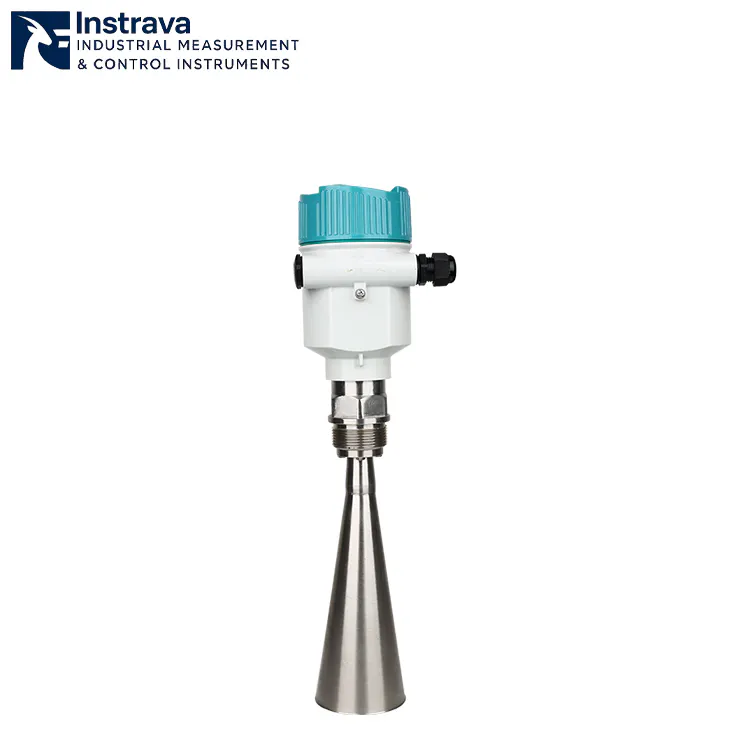
How does a magnetic level gauge compare to radar or ultrasonic gauges?
| Feature | Magnetic Level Gauge | Radar Level Gauge | Ultrasonic Sensor |
|---|---|---|---|
| Contact | Float inside chamber | Non-contact | Non-contact |
| Accuracy | ±1–5 mm | ±1–3 mm | ±5–10 mm |
| Maintenance | Very low | Low | Medium |
| Harsh conditions | Excellent (corrosive, high temp) | Excellent | Limited |
| Visual indication | Yes, mechanical | Optional | No |
Manufacturer note: Magnetic level gauges excel in high-pressure, corrosive, or opaque fluids where radar signals may be less effective.
Can magnetic level gauges handle high-pressure and high-temperature fluids?
Yes. Industrial-grade magnetic level gauges can operate under:
Pressure: Up to 40 MPa
Temperature: Up to 400°C
Hazardous environments: ATEX/IECEx certified options
They are ideal for energy & power plants, chemical reactors, pharmaceutical sterilizers, and HVAC thermal storage tanks.
What industries benefit most from magnetic level gauges?
Energy & Power: Boiler feedwater and condensate tanks
Marine & Shipping: Fuel, ballast, and cargo tanks
Automotive: Coolant, chemical storage, and paint process tanks
Environmental & Mining: Slurry, tailings, and wastewater tanks
HVAC Systems: Chilled water and hot water storage tanks
Manufacturer perspective: Magnetic level gauges are chosen for high reliability, visual verification, and low maintenance in demanding industrial applications.
What factors should be considered when selecting a magnetic level gauge?
Process fluid characteristics: Corrosive, opaque, viscous
Operating conditions: Temperature, pressure, and vibration
Chamber material: Stainless steel, PTFE lining, or alloy for chemical resistance
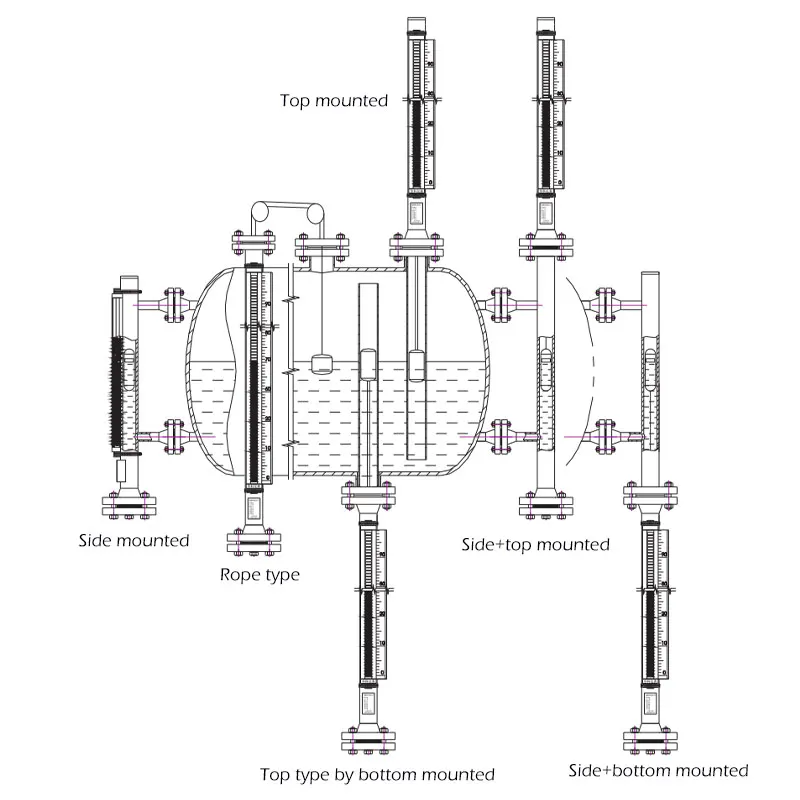
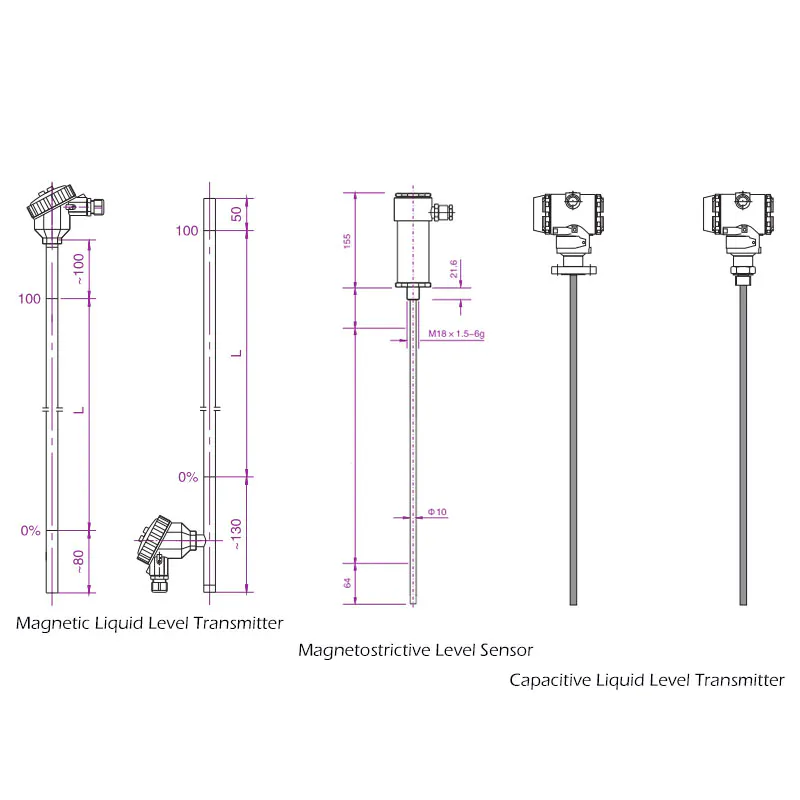
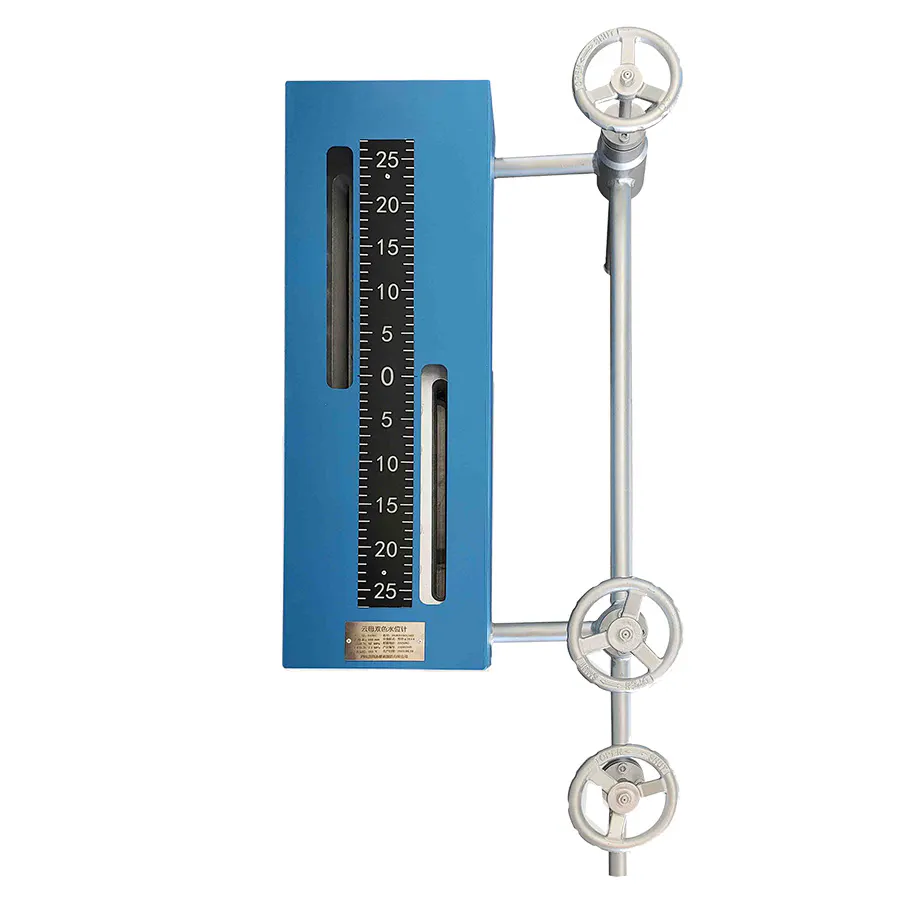
Indicator type: Flap, column, or transmitter
Certification: ATEX, IECEx, FDA, GMP as required
Correct selection ensures accurate measurement, operator safety, and long-term operational efficiency.
Related Product Recommendations
Submit your manufacturing requirements, and our team will get back to you with professional solutions within 24 hours.