Home » Products » Level Measuring Instruments » Ultrasonic Level Sensor / High Accuracy Non-Contact Liquid Measurement
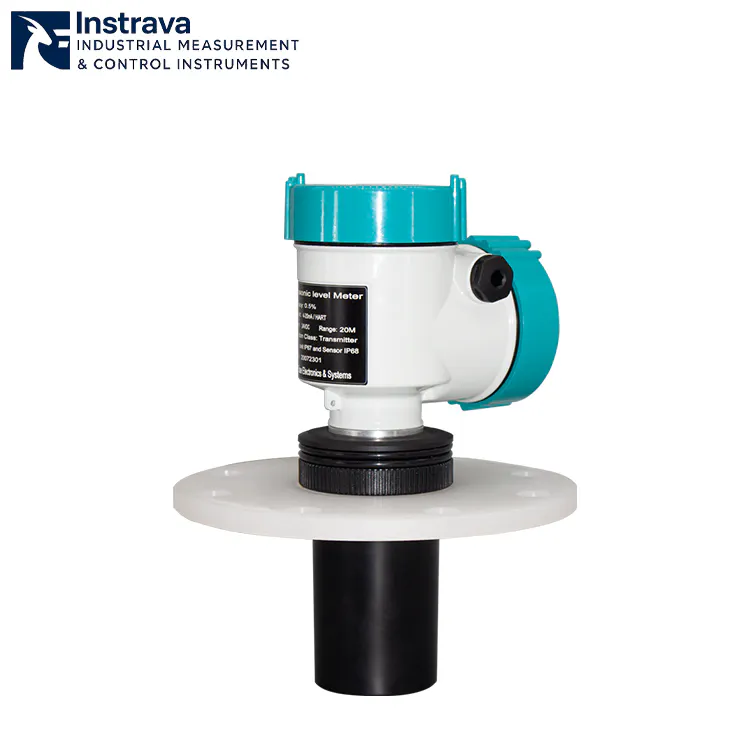
Ultrasonic Level Sensor / High Accuracy Non-Contact Liquid Measurement
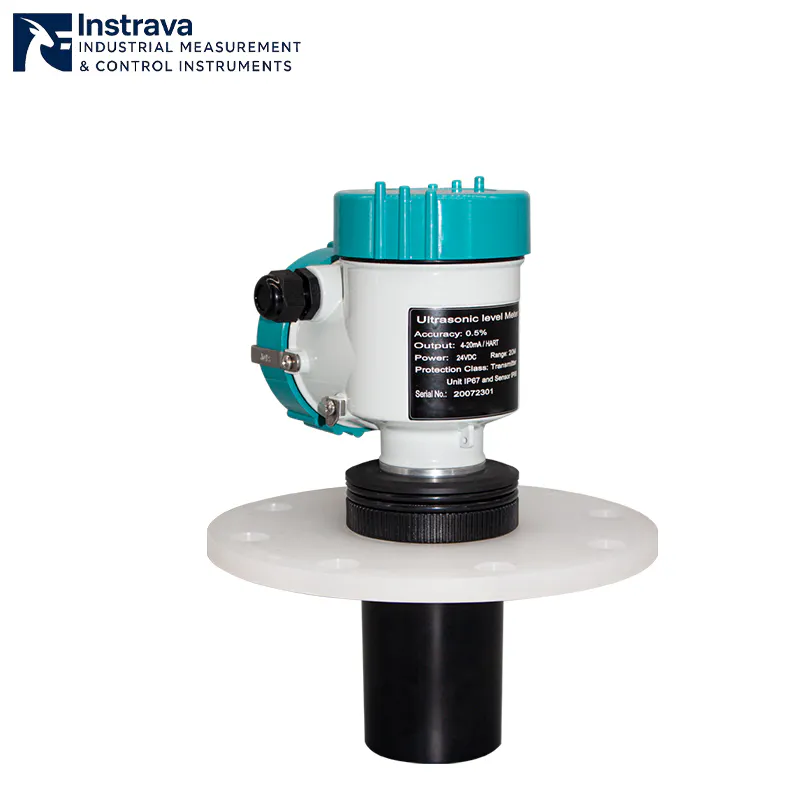
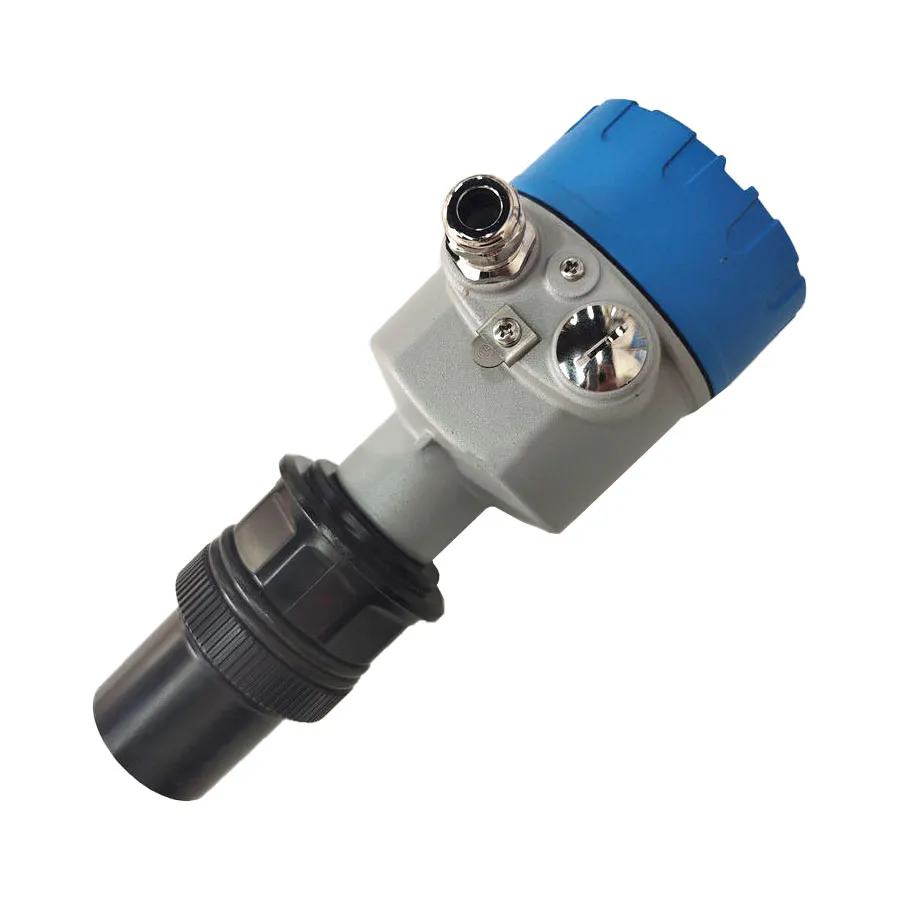
Instrava Curated Instruments presents a reliable and high-precision ultrasonic level sensor, designed for accurate, non-contact liquid level measurement in a wide range of industrial and environmental applications.
Through our Curated Instruments approach, this solution is optimized for:
- water tank level monitoring systems
- industrial liquid storage measurement
- wastewater and sewage level detection
- non-contact level sensing in corrosive or harsh environments
With high accuracy, stable performance, and robust protection design, this ultrasonic level transmitter delivers dependable results with minimal maintenance.
Level Measuring Instruments Description
High Accuracy & Stable Performance
This ultrasonic level sensor delivers:
- High accuracy up to ±0.5% FS with stability of 0.1%
- Multiple measuring ranges (4m–30m) for flexible applications
- Non-contact measurement → no wear or contamination
- Reliable performance for liquid level monitoring
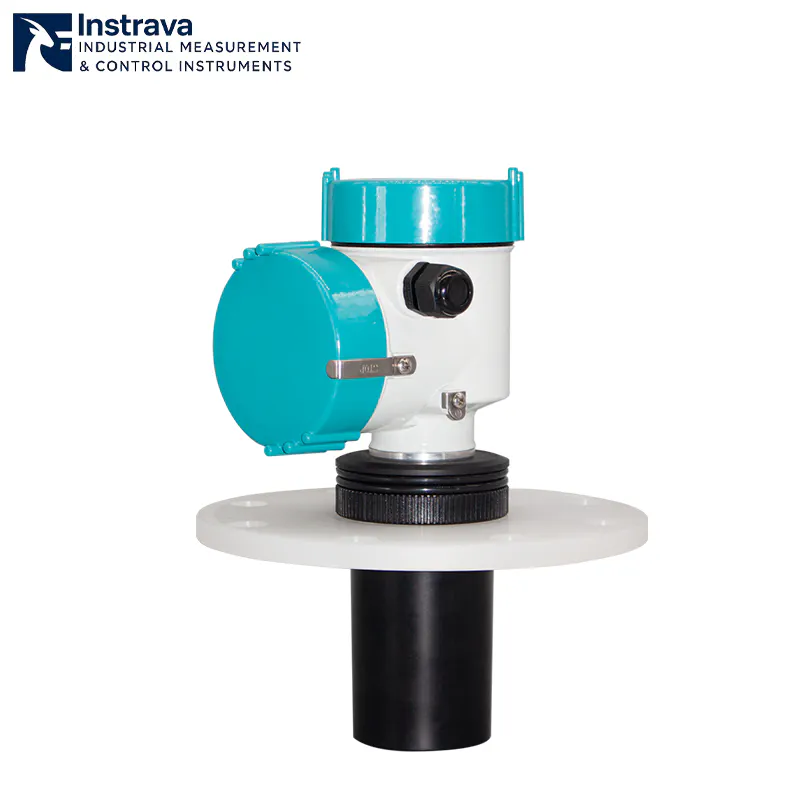
Rugged Design for Industrial Environments
- ABS housing → impact-resistant and anti-aging
- IP65 transmitter + IP68 probe protection
- Fully sealed structure for waterproof and dustproof operation
- Weather-resistant design for outdoor applications
Designed for long-term use in:
- outdoor water systems
- industrial environments
- humid or dusty conditions
Level Measuring Instruments Parameter
| Parameter | Specification |
|---|---|
| Accuracy | ±0.5% FS |
| Stability | 0.1% |
| Measuring Range | 4m / 6m / 8m / 12m / 20m / 30m |
| Output Signal | 4–20mA (2-wire) |
| Power Supply | 24VDC |
| Material | ABS |
| Protection Level | IP65 (transmitter) / IP68 (sensor) |
| Display | LCD |
| Application | Liquid level measurement |
| Certification | CE (EMC / LVD) |
| Warranty | 3 Years |
Instrava OEM/ODM
Tailored Sourcing & Customization: Getting You the Exact Product You Need
As your trusted supplier and sourcing partner, we bridge the gap between your custom requirements and China’s vast manufacturing capabilities.
Finding the right product in a massive supply chain can be challenging. That is where we step in.
As a curated industrial supplier, our core value is simple: we stand in your shoes to help you procure the most optimal products. Whether you are an EPC contractor needing specialized technical compliance, an OEM equipment manufacturer looking for custom branding, or an industrial distributor/trader seeking competitive edge, we customize and tailor products to fit your exact procurement needs.
How We Customize to Fit Your Procurement Needs
For EPC Contractors & Engineers: We custom-configure instruments and devices to match your precise datasheets—tailoring process connections, exotic materials, signal protocols, and managing third-party calibration and testing so you get project-ready solutions.
For OEM Equipment Manufacturers: We provide comprehensive OEM/ODM customization, including custom housing, labeling, branding (private labeling), and tailored technical specifications to seamlessly integrate with your machinery.
For Industrial Distributors & Traders: We offer flexible customization in packaging, product ranges, and technical parameters, helping you differentiate your portfolio and win more local bids.
Why Partner with Us for Custom Sourcing?
One-Stop Engineering Alignment: You don’t have to deal with multiple factories. We translate your technical requirements into precise manufacturer blueprints.
Strict Quality & Compliance Safeguard: We oversee the entire customization and production process in China, ensuring the final customized product meets your local standards and certifications.
Our Ultimate Value: We don’t just sell what’s on the shelf. We find, customize, and deliver the most suitable and cost-effective product for your unique application.

Related Product Recommendations
What is an ultrasonic level sensor and how does it work?
An ultrasonic level sensor measures liquid level by emitting sound waves and calculating the time it takes for the echo to return from the liquid surface. This time-of-flight method provides accurate, continuous, and non-contact level measurement.
What are the advantages of ultrasonic level sensors?
Ultrasonic level sensors offer:
- Non-contact measurement (no corrosion or wear)
- Easy installation and low maintenance
- Cost-effective compared to radar sensors
- Suitable for water and wastewater applications
- Reliable performance in open tanks
They are widely used for general-purpose liquid level monitoring.
What is the difference between ultrasonic and radar level sensors?
- Ultrasonic sensors use sound waves and are more affordable
- Radar sensors use electromagnetic waves and perform better in harsh environments
Ultrasonic sensors are ideal for water-based applications, while radar is preferred for high temperature, pressure, or vapor conditions.
What factors affect ultrasonic level measurement accuracy?
Accuracy can be affected by:
- temperature changes (affect sound speed)
- vapor, foam, or dust
- turbulence on the liquid surface
- incorrect installation angle
Modern sensors use temperature compensation and signal processing to improve accuracy.
Where are ultrasonic level sensors commonly used?
They are commonly used in:
- water tanks and reservoirs
- wastewater treatment plants
- industrial liquid storage
- irrigation systems
- environmental monitoring
They are ideal for non-contact water level measurement applications.
How do I choose the right ultrasonic level sensor?
Consider:
- measuring range
- environmental conditions
- required accuracy
- output signal compatibility
- installation method
Choosing the right sensor ensures stable and reliable long-term performance.
Why Trust Instrava?
We select manufacturers from a neutral, impartial standpoint, always with your best interests in mind.
Our very existence depends on helping you source the products that are the perfect fit for your needs.
Based in China, we are able to conduct on-site inspections of production environments and product quality firsthand.
We help you avoid intermediaries posing as factories.
We facilitate smoother after-sales support, eliminating time zone issues and the delays often associated with dealing directly with factories.
Our multilingual team ensures effective communication.
For a trading startup, every interaction with a client is a precious opportunity—a sign that you are willing to place your trust in us and give us the chance to prove ourselves.
In the digital age, while information is easily accessible, misconceptions often cloud the trust between people.
Instrava relies entirely on trust; it is our core philosophy and the foundation of our existence in society. It is the fundamental basis for our long-term growth and our commitment to serving the community.
Please place your trust in us.